You’re tracking calories. You’re logging every bite. And yet—nothing moves on the scale. The problem isn’t your discipline. It’s that spoonful of peanut butter you “eyeballed.” How to weigh your food accurately isn’t just about precision—it’s about respecting the math behind your metabolism.
Why “Close Enough” Is Sabotaging Your Progress
Most people think a “handful” of almonds or a “generous drizzle” of olive oil won’t wreck their deficit. But here’s the reality: a single tablespoon of oil is 120 calories. Guess what? Your “drizzle” was three tablespoons. That’s 360 unlogged calories—enough to stall weight loss for weeks.
Volume measurements lie. Measuring cups assume perfect packing density—which never happens in real life. And don’t get me started on restaurant portions masquerading as “single servings.” Your body doesn’t negotiate with approximations.
How to Weigh Your Food Like a Pro—Without Turning Your Kitchen Into a Lab
Forget obsessive gram-counting at every meal. Strategic weighing is faster, cleaner, and actually sustainable. Start here:
Pick the Right Scale (It’s Not What You Think)
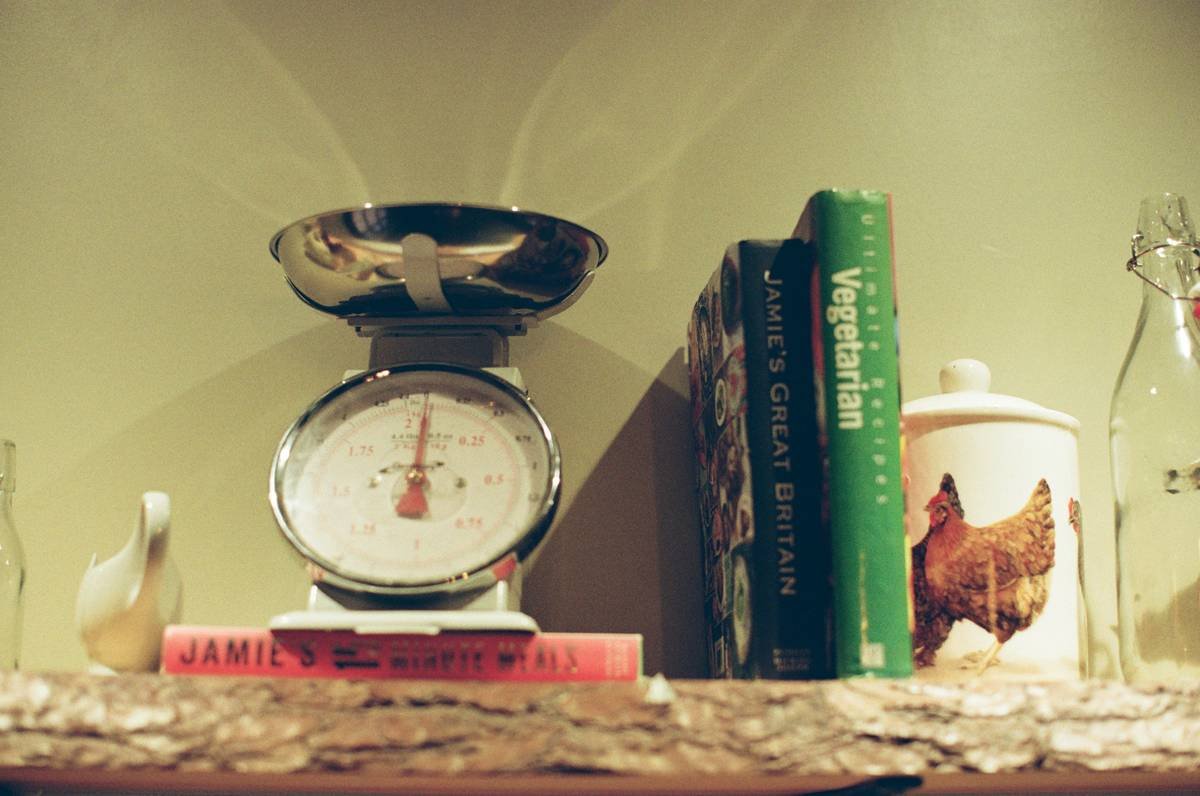
Don’t waste money on a $50 “smart” scale that syncs to an app you’ll abandon in two weeks. A basic digital kitchen scale under $20 with 1g precision is all you need. Look for tare functionality—that’s non-negotiable.
Weigh Raw, Not Cooked (With One Exception)
Protein shrinks. Rice swells. Water evaporates. Weighing raw ingredients eliminates guesswork. Exception? Oatmeal. Cook it, then weigh—because nobody eats dry oats. Same goes for pasta if you’re logging leftovers.
Batch-Weigh Staples Once a Week
Spend 15 minutes Sunday prepping—and save hours midweek. Portion out nuts, seeds, protein powders, and cooking oils into labeled containers. No more daily scale wrestling.
| Method | Accuracy | Time per Meal | Error Margin |
|---|---|---|---|
| Eyeballing | Low | 5 seconds | +/- 30–50% |
| Measuring Cups/Spoons | Moderate | 20 seconds | +/- 15–25% |
| Digital Scale (Raw Weighing) | High | 35 seconds | +/- 2–5% |
The Industry Secret: Not Everything Needs to Be Weighed
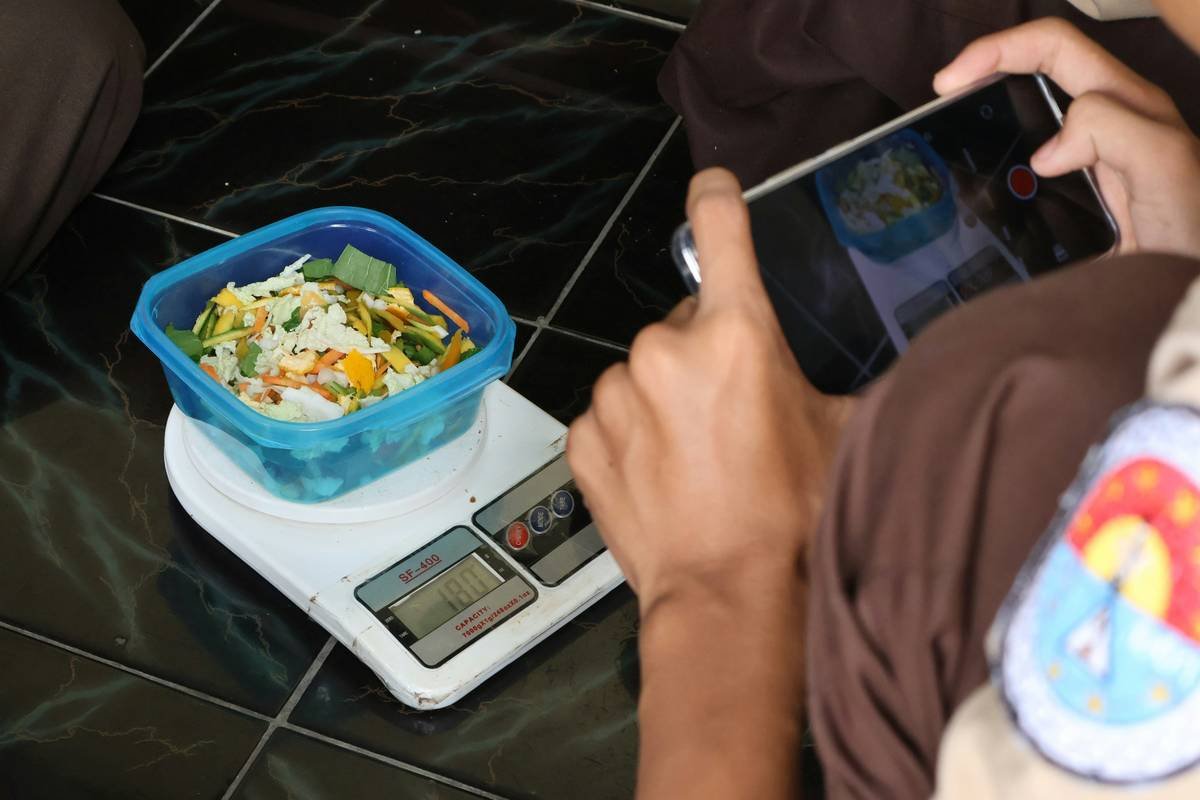
Here’s what diet apps won’t tell you: hyper-accurate weighing matters most for high-calorie-density foods. A cup of broccoli? Off by 20g? Who cares—it’s only 7 extra calories. But miss by 20g on almonds? That’s 120 hidden calories. Focus your energy where it counts.
I once worked with a client losing 0.2 lbs/week despite “perfect” tracking. We switched to weighing only oils, nut butters, cheeses, and grains. Within three days, she found she’d been undercounting by 400+ calories daily—just from “reasonable” glugs and scoops. Two months later? Down 18 pounds.
Frequently Asked Questions
Do I need to weigh my food forever?
No. Use weighing as calibration training for 2–4 weeks. Your eyeball accuracy improves dramatically—and you’ll spot when portions creep back up.
Can I use a postal scale?
Technically yes—if it measures in grams and has tare. But kitchen scales are cheaper, easier to clean, and designed for food-safe surfaces.
What if I eat out?
Estimate conservatively. Assume sauces are doubled, meats are larger, and oils are abundant. Under-promise, over-deliver with your log.