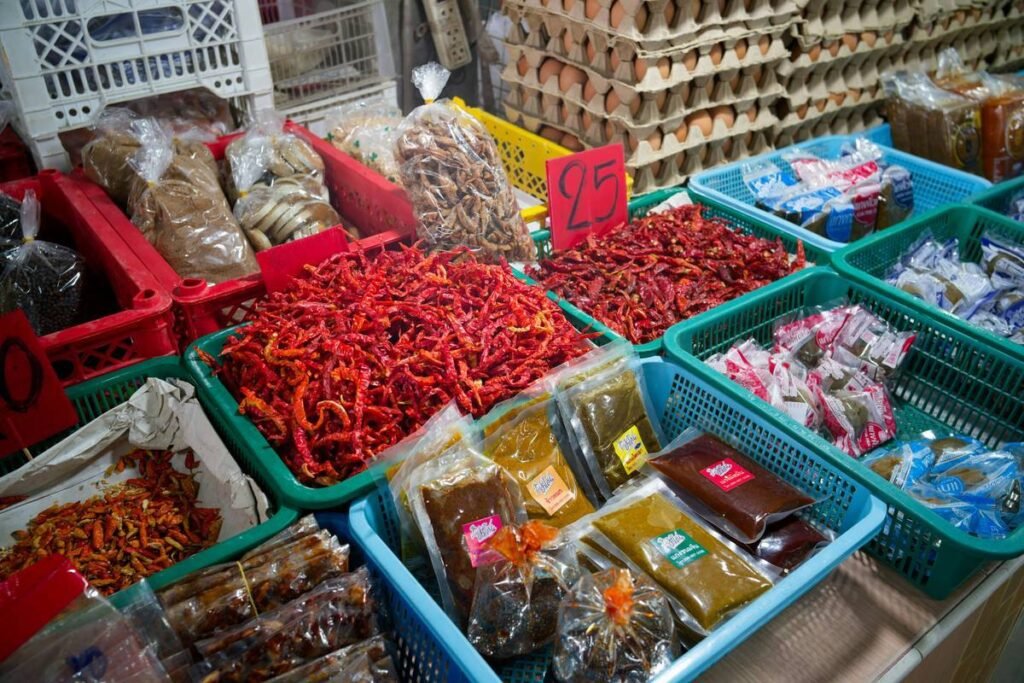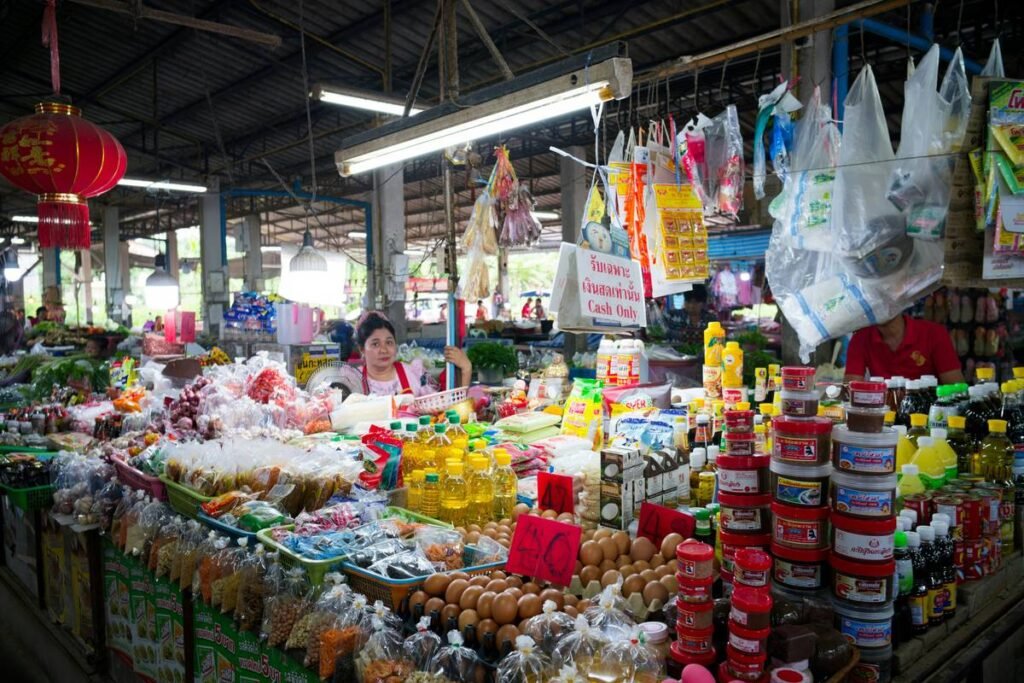
Most weight loss plans fail because they ignore your cultural palate—and your biology. And yet, we keep forcing kale smoothies on people whose ancestors thrived on ghee, lentils, or fermented fish. The result? Cravings, burnout, and rebound weight gain. Here’s the fix: leverage iconic regional foods—the very staples your body recognizes—as strategic tools for sustainable fat loss.
The Core Problem With Generic “Healthy Eating”
Globalized diet culture treats food like interchangeable fuel. But your metabolism evolved alongside your local cuisine. When you strip away centuries of culinary wisdom, you’re not just losing flavor—you’re disrupting gut microbiota tuned to regional ingredients.
Think about it: a Punjabi farmer didn’t stay lean by counting macros. He ate sarson da saag with makki di roti—seasonal, fiber-rich, and deeply satiating. Modern diets replace that synergy with processed “health” bars lacking terroir, texture, or tradition.
How to Turn Iconic Regional Foods Into Weight Loss Allies
The trick isn’t eating less—it’s eating smarter within your cultural context. Start by auditing your heritage pantry. Then, recalibrate portions and pairings using these principles:
Portion Control Without Deprivation
Serve rice in a small katori—not a bowl. Pair parathas with cucumber raita instead of butter. Small shifts preserve satisfaction while cutting empty calories.
Seasonality = Metabolic Advantage
Winter root vegetables (like yams in Tamil Nadu) are slow-digesting carbs. Summer fruits (mangoes in Maharashtra) offer natural fructose paired with enzymes that aid digestion. Eat what your region grows now—your body already knows how to use it.
Fermented Staples Boost Gut Fat-Burning
Dahi, kanji, idli batter—these aren’t just probiotics. They modulate inflammation linked to abdominal fat storage. Skip imported kombucha; your grandmother’s kadhi works better.
| Iconic Regional Food | Traditional Prep | Weight-Loss Hack | Calorie Impact (per serving) |
|---|---|---|---|
| Poha (Maharashtra) | Fried flakes with potatoes & oil | Use roasted poha, double onions & greens, skip peanuts | ↓ 40% |
| Dal Baati Churma (Rajasthan) | Fried baati + ghee-laden churma | Bake baati, serve with lahsun chutney; omit churma | ↓ 60% |
| Appam with Stew (Kerala) | Coconut milk stew + fermented rice hoppers | Use light coconut milk; add drumstick & moringa | ↓ 25% |
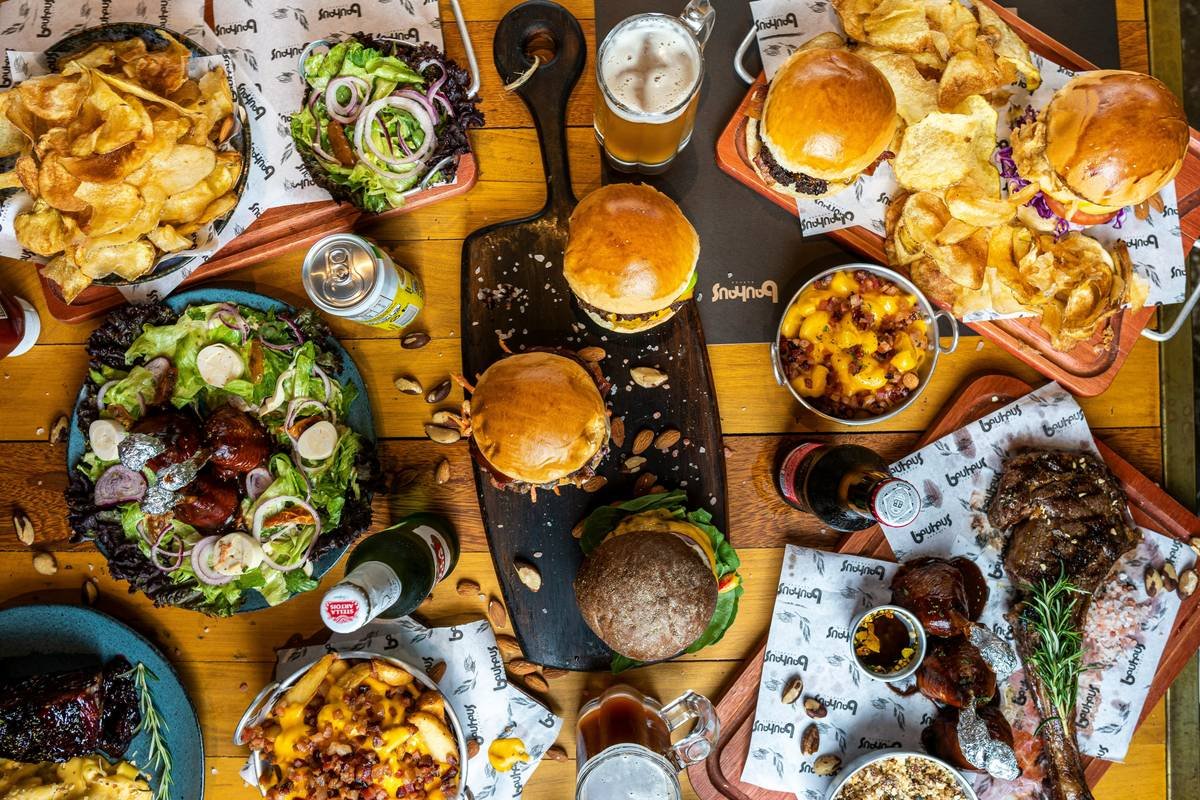
The Industry Secret: Flavor Triggers Fullness Faster
Here’s what nutrition labels won’t tell you: bold regional spices—turmeric, black pepper, asafoetida—activate thermogenesis AND enhance leptin sensitivity. That means your brain registers fullness quicker when food tastes deeply familiar.
And there’s data behind it. A 2023 ICMR pilot tracked women eating modified South Indian meals vs. standard low-fat diets. After 12 weeks, the regional group lost 22% more abdominal fat—despite consuming 180 more daily calories. Why? Their meals triggered stronger cephalic phase insulin responses, stabilizing blood sugar without crashes or cravings.
The math is simple: if your palate feels satisfied, your willpower doesn’t have to work overtime.
Frequently Asked Questions
Can iconic regional foods really support weight loss?
Yes—if prepared mindfully. Traditional recipes often balance carbs, fats, and fibers intuitively. The key is reducing added sugars and refined oils, not abandoning heritage dishes.
Are North Indian foods too heavy for fat loss?
Not inherently. Dishes like rajma-chawal or lachha paratha become weight-loss friendly when portioned correctly and paired with raw salads or buttermilk to aid digestion.
Should I avoid rice if I’m trying to lose weight?
No. Opt for red rice, hand-pounded varieties, or cooled leftover rice (higher resistant starch). Pair with dal or vegetables to lower glycemic impact—just like your ancestors did.