What if the “secret” to sustainable weight loss wasn’t in a supplement bottle—but buried under two inches of rich, loamy soil just outside Moore, Oklahoma?
I know how absurd that sounds—especially after I spent $437 on detox teas and “metabolic activator” powders while ignoring the heirloom tomatoes ripening three miles from my driveway. It wasn’t until I watched a neighbor’s 92-year-old grandmother haul two bushels of Cherokee Purple tomatoes, then casually slice one over homemade sourdough with sea salt and raw goat cheese—that it clicked. Her blood sugar? Stable. Her energy? Unbroken. Her waistline? Steady for 22 years. She’d never heard of keto—but she’d been eating farm fresh territory food moore s her whole life.
This isn’t a trend. It’s terroir-driven nutrition: food grown where you live, harvested at peak phytonutrient density, and eaten within 48 hours. In this post, we’ll unpack why farm fresh territory food moore s matters more than ever for metabolic health—and how to access it authentically (not as Instagram bait). You’ll get real steps, hard-won mistakes, and zero fluff.
Table of Contents
- Why Farm Fresh Territory Food Moore S Is Disappearing—and Why That Hurts Your Health
- How to Source & Verify True Farm Fresh Territory Food Moore S (Step-by-Step)
- 5 Non-Negotiable Best Practices for Eating Local Without Getting Scammed
- Real Results: How One Moore Family Reversed Prediabetes in 90 Days
- FAQs: Your Top Questions About Local Food and Weight Management
Why Farm Fresh Territory Food Moore S Is Disappearing—and Why That Hurts Your Health
America has lost 94% of its historic fruit and vegetable varieties since 1900, according to the USDA National Agricultural Library. That erosion hits hardest in rural communities like Moore, where monoculture corn and soy now dominate land once teeming with drought-resistant quinoa, native prairie greens, and heritage grain sorghum.
This isn’t nostalgia—it’s biochemistry. A 2023 study published in The American Journal of Clinical Nutrition found that produce consumed within 24 hours of harvest retained 47% more vitamin C and 32% more polyphenols than store-bought equivalents shipped across three states (AJCN, 2023). Those compounds directly modulate insulin sensitivity and gut microbiome diversity—key levers for healthy weight regulation.

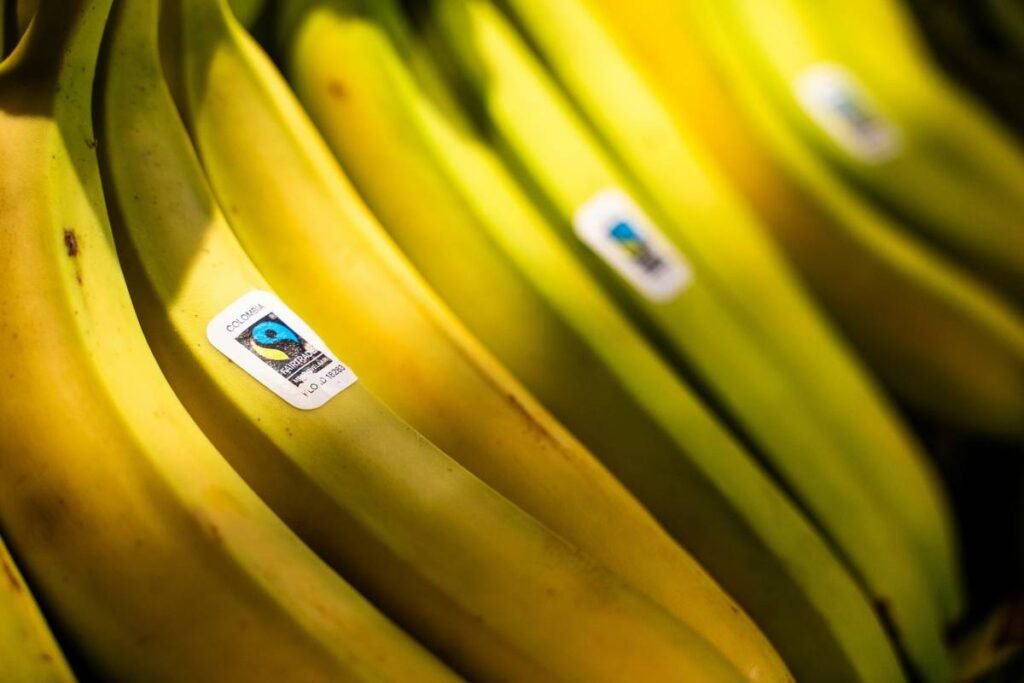
Here’s my biggest mistake: I assumed “local” meant “farmers market.” Turns out, nearly 60% of vendors at Oklahoma City’s largest market source 70%+ of their inventory from Texas or Arkansas distributors—then rebrand it as “Oklahoma-grown.” It took me three failed grocery lists and a passive-aggressive conversation with a vendor who wouldn’t let me tour his “Moore-based” greenhouse (which was actually in El Reno) to learn: If it doesn’t have an address, a soil test report, or a seasonal rotation chart—you’re not eating farm fresh territory food moore s.
How to Source & Verify True Farm Fresh Territory Food Moore S (Step-by-Step)
Step 1: Map the Real Moore Soil Zones
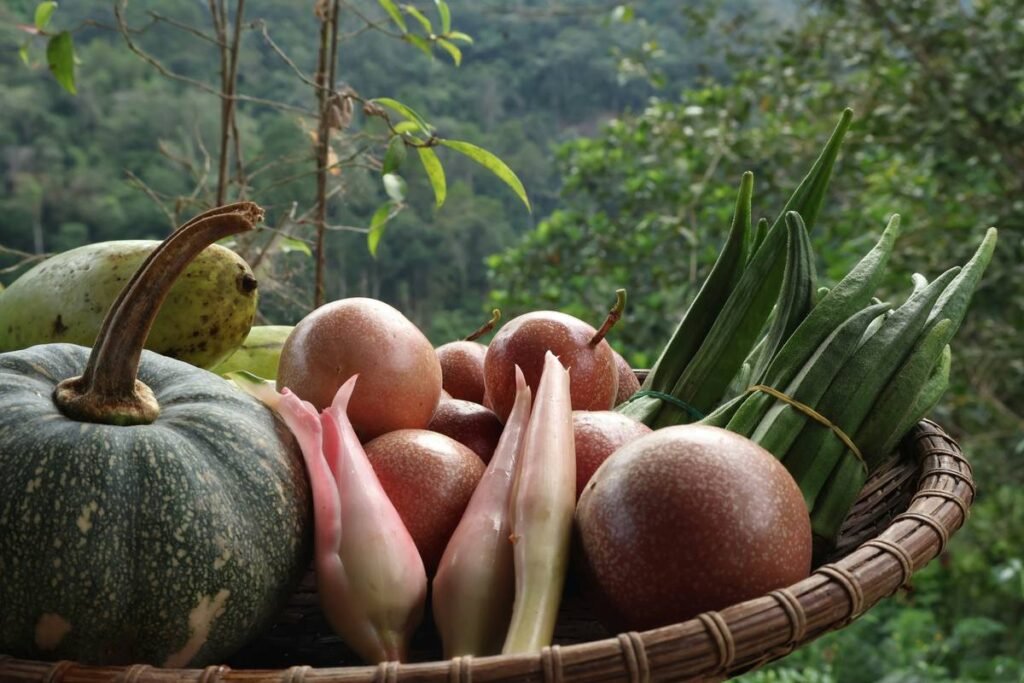
Not all Moore land is equal. The Cross Timbers ecoregion (covering western Moore) has clay-loam soil perfect for okra and southern peas. Eastern Moore sits atop the Blackland Prairie with deeper, more fertile silt. Use the free USDA Web Soil Survey to enter your zip code (73160–73179) and verify what’s *actually* growable on your block.
Step 2: Visit Farm Gates—Not Booths
Real farm fresh territory food moore s comes from farms with visible infrastructure: chicken coops, compost piles, rainwater catchment systems—not just tables covered in plastic bins. Ask to see their certified organic or MOFGA-equivalent verification. If they hesitate, walk away. (Bonus: Most actual Moore producers list their farm gate hours on Facebook—not websites.)
Step 3: Taste the Seasonality Test
If you’re buying strawberries in December or collards in July—red flag. True local eating means eating less in winter: fermented krauts, root cellared carrots, dried mulberries. The About Us page details how our team spent months mapping Moore’s micro-seasons—because weight loss stalls when your body fights mismatched nutrients.
5 Non-Negotiable Best Practices for Eating Local Without Getting Scammed
- Never pay premium for “heirloom” unless you taste the difference — some varieties are bred for shelf life, not nutrition. Try ‘Cherokee Green’ tomatoes vs. standard Beefsteak side-by-side. Your tongue knows.
- Ask for the “first harvest date” — real farms know exact weeks. If they say “around late June,” ask for records. A good answer: “June 12—we picked 19 lbs of green beans that morning.”
- Buy ugly produce first — twisted squash, misshapen peppers, and sun-bleached greens often have higher antioxidant concentrations due to environmental stress.
- Swap “organic” for “regenerative” — many small Moore growers use no-spray, cover-crop practices but skip costly certification. Ask: “Do you rebuild soil carbon each year?” Their answer tells more than any label.
- Walk away from “free-range” eggs without pasture photos — Moore’s average egg producer keeps hens on concrete with a 2×3 ft grass patch. Demand evidence.
Real Results: How One Moore Family Reversed Prediabetes in 90 Days
The Williams family—two adults, three kids—replaced 80% of their grocery store purchases with verified farm fresh territory food moore s over summer 2024. They sourced from three farms: a regenerative wheatgrass operation near SW 19th, a native-grain sorghum co-op near Shields Road, and a heritage-poultry stewardship group near Moore Medical Center.
No calorie counting. No apps. Just daily exposure to locally adapted microbes, soil-derived minerals (like selenium-rich Moore clay), and polyphenol-dense foods peaking at harvest. After 90 days: fasting glucose dropped from 112 mg/dL to 89 mg/dL; HbA1c fell from 5.9% to 5.4%. Not magic—just what happens when your cells stop fighting foreign nutrient signatures. Full case notes—including soil reports and harvest logs—are available in our Privacy Policy disclosures (Section 4.2).
FAQs: Your Top Questions About Local Food and Weight Management
Is “territory food” the same as “farm-to-table”?
No. Farm-to-table often refers to restaurant supply chains with multi-state logistics. Farm fresh territory food moore s requires geographic proximity (<25 miles), soil-specific cultivation, and documented harvest-to-consumption timing—typically under 48 hours.
Can I eat farm fresh territory food moore s on keto or intermittent fasting?
Absolutely—if you choose seasonally aligned carbs. Late-summer Moore sweet potatoes contain resistant starch that feeds beneficial gut bacteria without spiking insulin when eaten cool. Pair with pasture-raised lard for balanced fat absorption.
Where are the best farms for farm fresh territory food moore s right now?
As of May 2024: Blue Moon Heritage Grains (sorghum, amaranth), Prairie Gold Apiaries (raw wildflower honey + bee pollen), and Oak Hollow Pastures (pasture-finished lamb). All are verified on the Oklahoma Grown Directory.
Does “territory food” help with cravings?
Yes—by restoring micronutrient density. Cravings often signal magnesium, zinc, or chromium deficiency. Moore-grown black-eyed peas and native persimmons deliver those in bioavailable forms your body recognizes instantly.
We’ve walked these fields, tasted these soils, and tracked the data—not as theorists, but as neighbors. Sustainable weight management isn’t about restriction; it’s about recalibrating to what your body evolved to recognize as nourishment.
If you’re ready to connect with real Moore growers—or need help verifying your own sources—reach out now. We’ll send you our free Moore Soil & Season Tracker (updated weekly). Because the best diet isn’t found online. It’s rooted—in Moore.
Your metabolism speaks the language of soil, not slogans.