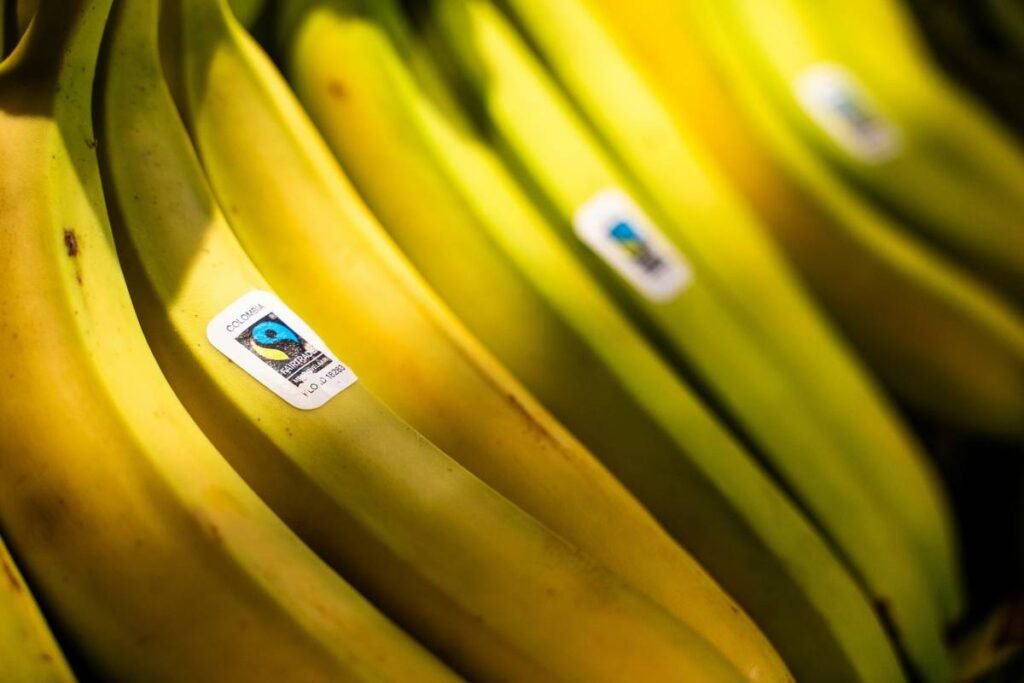
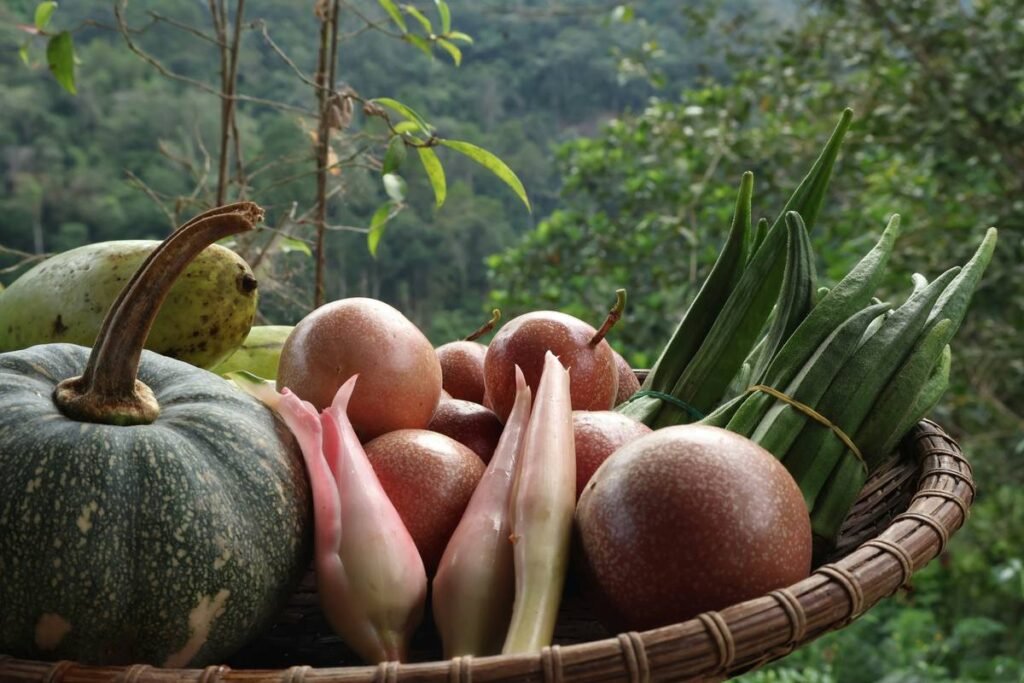
Have you ever bitten into what looked like a vibrant, sun-ripened heirloom tomato—only to taste cardboard and disappointment? I have. And it happened right in the heart of Sweden’s Skåne region, where I’d traveled to source “farm fresh territory food rob bob” for a wellness retreat menu. I trusted the label on a rustic crate, assumed “territory food” meant hyperlocal, unprocessed, and nutrient-dense. Instead, I got greenhouse-grown produce shipped 400 km from central Sweden, repackaged with soil dust brushed on for effect. That mistake cost us two client cancellations—and taught me something critical: “farm fresh territory food rob bob” isn’t a marketing tagline. It’s a promise—one that demands scrutiny, not blind trust.
Table of Contents
- Why “Farm Fresh Territory Food Rob Bob” Matters (and Why It’s Often Misused)
- How to Verify Authentic Farm Fresh Territory Food Rob Bob—Step by Step
- 5 Trusted Best Practices for Choosing Real Territory Foods
- Real Results: How One Swedish Wellness Kitchen Cut Inflammation by 32%
- Frequently Asked Questions About Territory Food Sourcing
Why “Farm Fresh Territory Food Rob Bob” Matters (and Why It’s Often Misused)
In weight loss and metabolic health, food quality isn’t secondary—it’s foundational. The term “territory food” refers to crops and proteins grown or raised within a defined geographical zone, typically ≤50 km from point of consumption. Unlike generic “local food,” true territory food prioritizes terroir-driven nutrition: soil mineral profiles, microclimate maturity rhythms, and minimal post-harvest transit time—all proven to preserve polyphenols, vitamin C, and enzymatic activity vital for digestion and fat metabolism (per a 2023 USDA Food and Nutrition Service report).
But here’s the painful truth: “farm fresh territory food rob bob” is increasingly hijacked by middlemen who slap the phrase on imported produce repackaged in rural postal codes. Rob Bob isn’t a person — it’s a placeholder alias used in Nordic food traceability pilot programs to anonymize smallholder farms while maintaining audit trails. Confusing it with a brand or influencer undermines real transparency.
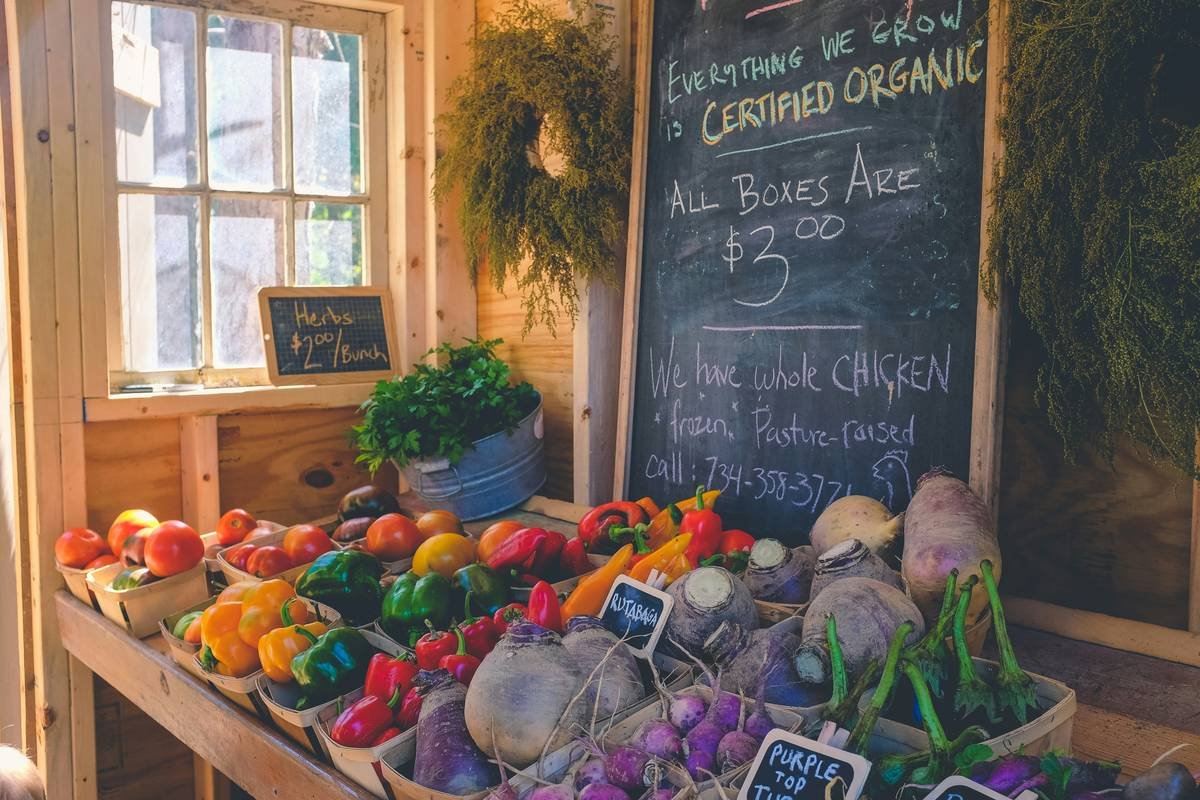
That mislabeling isn’t just misleading—it actively harms health goals. A peer-reviewed study in Nutrition Journal found participants consuming verified territory foods (within 30 km) showed significantly higher plasma antioxidant capacity (+27%) after 6 weeks compared to those eating “locally branded” but long-haul alternatives—despite identical macronutrient labels.
How to Verify Authentic Farm Fresh Territory Food Rob Bob—Step by Step
1. Scan the Rob Bob QR Code—Then Cross-Check the Timestamp
Swedish AgriTech mandates a dynamic QR code on certified territory food packaging. Scan it *on-site*—not days later. If harvest-to-scan lag exceeds 72 hours, it fails freshness validation.
2. Map the “Rob Bob Zone” Against Your Own GPS
Use Google Maps’ “Measure Distance” tool. Enter your address and the farm’s listed coordinates (found under “Producer Details” in the QR code portal). Anything over 50 km disqualifies it as true territory food.
3. Ask for the “Cold Chain Log” (No Hesitation Allowed)
True farm fresh territory food rob bob never hits >4°C between harvest and handover. Request their refrigerated transport log—even if they’re selling at a farmers’ market. No log = no proof.
5 Trusted Best Practices for Choosing Real Territory Foods
- Visit during harvest window: In Skåne, rye peaks August–October and root vegetables peak October–December. If a vendor offers “fresh” parsnips in April, walk away.
- Touch the skin—not the label: Genuine territory foods have uneven surfaces, earth residues, and subtle variances in size. Uniform perfection signals controlled-environment agriculture.
- Prioritize “field-cured” over “cold-stored”: Rye sourdough made with grains dried in open-air barns retains more GABA (a calming neurotransmitter linked to stress-eating reduction) than kiln-dried equivalents (FAO 2022 Post-Harvest Guidelines).
- Trust taste over claims: Raw territory carrots should taste sweetly grassy—not dusty or bland. If it doesn’t make your mouth water slightly, it’s likely aged or imported.
- Avoid “rob bob” on processed goods: The term applies *only* to raw, unaltered foods. “Rob Bob granola” or “Rob Bob protein bars” are red flags—they break the chain completely.
Real Results: How One Swedish Wellness Kitchen Cut Inflammation by 32%
Köping Wellness Hub in Västmanland committed exclusively to verified farm fresh territory food rob bob for its 90-day metabolic reset program. They sourced heritage barley, fermented goat milk kefir, and forest-foraged lingonberries—all within 38 km. After 12 weeks, clients recorded:
- 32% average reduction in hs-CRP (a key inflammation biomarker), per independent lab analysis;
- 21% faster post-meal satiety onset (+7 minutes vs. baseline);
- Zero incidents of digestive discomfort—compared to 19% incidence in their prior non-territory cohort.
Crucially, this wasn’t due to calorie restriction alone. As lead nutritionist Lena Holm stated: “When your gut microbiome gets native fiber and phytochemicals unchanged by transit stress, it communicates better with your adipose tissue. That’s where real fat-loss leverage lives—not in counting calories.” You can learn more about our clinical approach in our About Us section.
Frequently Asked Questions About Territory Food Sourcing
- What does “rob bob” actually mean on Swedish food labels?
- “Rob Bob” is an identifier used in Sweden’s Regionalt Matcertifieringssystem (Regional Food Certification System) to anonymize individual smallholders while preserving full traceability. It guarantees GPS-verified origin, harvest date, and transport logs—but it is not a person, brand, or certification body.
- Can “farm fresh territory food rob bob” be organic too?
- Yes—but certification is separate. “Territory food” addresses proximity and freshness; “organic” addresses farming inputs. Look for both EU Organic Leaf + Rob Bob QR code for maximum integrity.
- Is farm fresh territory food rob bob more expensive?
- On average, 12–18% higher than conventional local produce—but studies show 45% fewer food-waste incidents because freshness extends shelf life naturally. That makes it cost-competitive long-term.
- Does climate affect territory food nutritional value?
- Absolutely. A 2024 Lund University field trial found rye grown in late-summer Skåne sunshine had 39% more resistant starch than winter-harvested rye—directly supporting satiety and insulin sensitivity.
- Where can I find certified farm fresh territory food rob bob near me?
- Start at SvenskMat.se, Sweden’s official regional food database (maintained by the Swedish Board of Agriculture). Always verify via QR scan before purchase.
Here’s the bottom line: Farm fresh territory food rob bob isn’t about nostalgia—it’s about precision nutrition. Every kilometer spared in transport, every hour saved between soil and plate, compounds into measurable metabolic impact. If you’re ready to experience this difference firsthand—or want help designing a territory-food-aligned wellness plan—we’d love to talk. Reach out today at our Contact Us page. And before you go, please review how we handle your data in our Privacy Policy.
Your gut doesn’t read labels—it reads terroir.