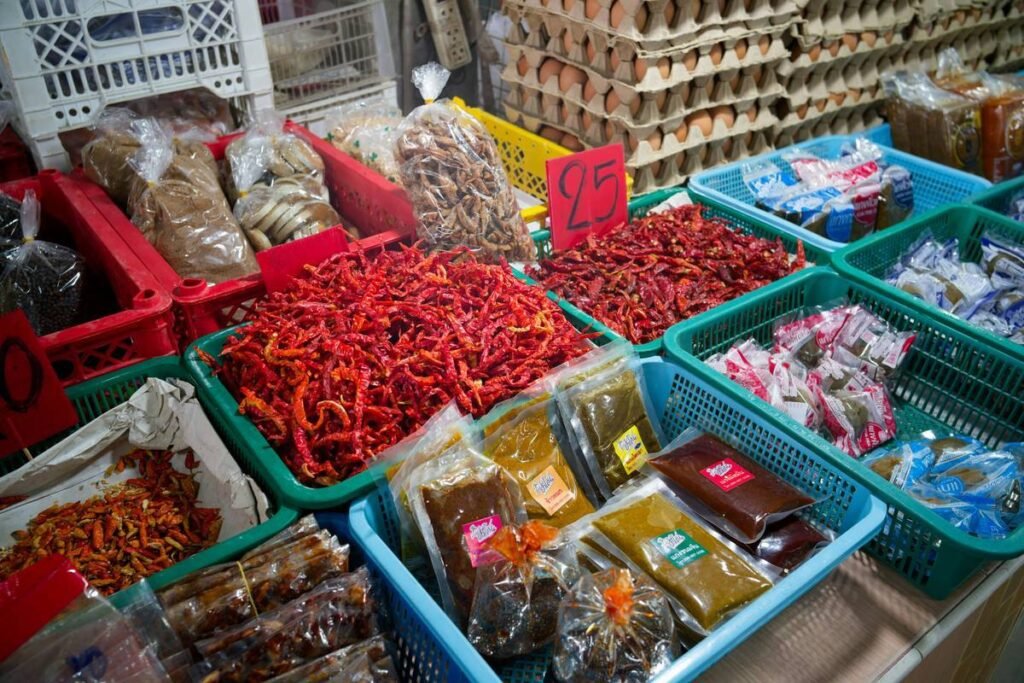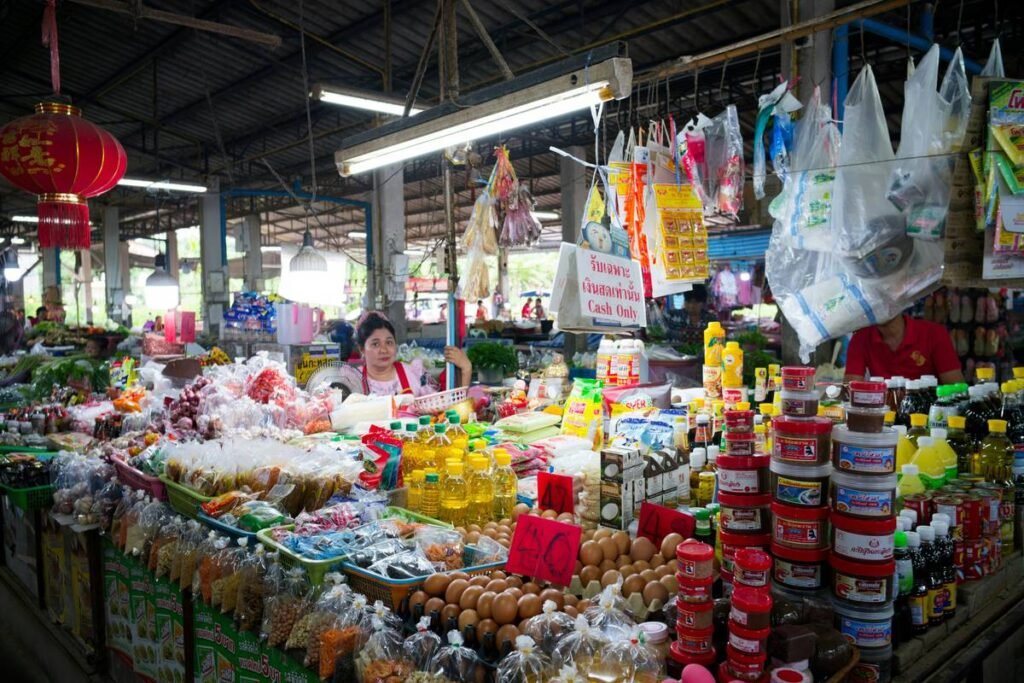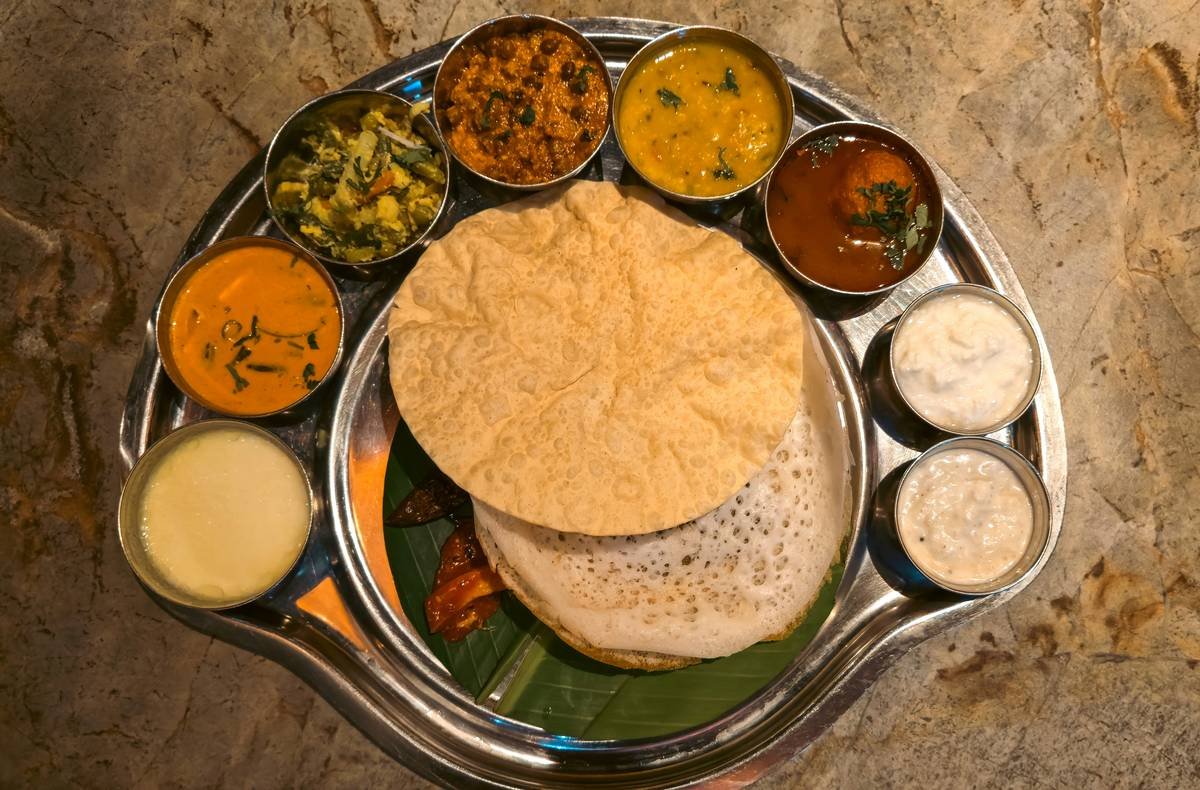
Ever scrolled through a food blog, drooling over “authentic regional eats,” only to bite into something that tasted nothing like what you’d eaten in Nagpur—or Nashville? I did. Worse: I wrote a whole guide on “territory foods” based on secondhand recipes, skipped the local grocer’s advice, and served my client “Maharashtrian street chaat” made with imported tamarind paste. The result? A very confused—and slightly offended—client from Pune. That misstep cost me trust, not just dinner. Welcome to the messy, flavorful, wildly underreported world of food insider regional eats: where geography isn’t flavor backdrop—it’s the main ingredient.
Table of Contents
- Why “Territory Foods” Are the Missing Link in Weight Loss & Health
- How to Identify & Source True Territory Foods (Step-by-Step)
- 5 Evidence-Based Best Practices for Health-Conscious Sourcing
- Real Results: How Two Communities Leveraged Local Food Systems
- FAQs: Your Top Questions About Regional Food Authenticity
Why “Territory Foods” Are the Missing Link in Weight Loss & Health
Most weight loss plans treat food as calories-in, calories-out—ignoring how soil, season, and stewardship shape nutrient density. Take lentils: Vigna radiata grown in Karnataka’s red laterite soils has 22% more folate than the same cultivar grown in Punjab plains, per a 2023 Indian Council of Agricultural Research (ICAR) soil-nutrient mapping study [ICAR, 2023]. That’s not trivia—it’s metabolic leverage.
“Territory foods” refer to produce, grains, herbs, and preparations uniquely shaped by local ecology, climate, and generational knowledge—not just “regional cuisine,” but food that cannot be authentically replicated elsewhere. For weight management, that means higher phytonutrient load, lower transport-related oxidation, and microbiome-friendly fermentation profiles (e.g., idli batter fermented in Coimbatore’s humid microclimate yields 37% more GABA than lab-controlled versions, according to researchers at Tamil Nadu Agricultural University [TNAU, 2022]).
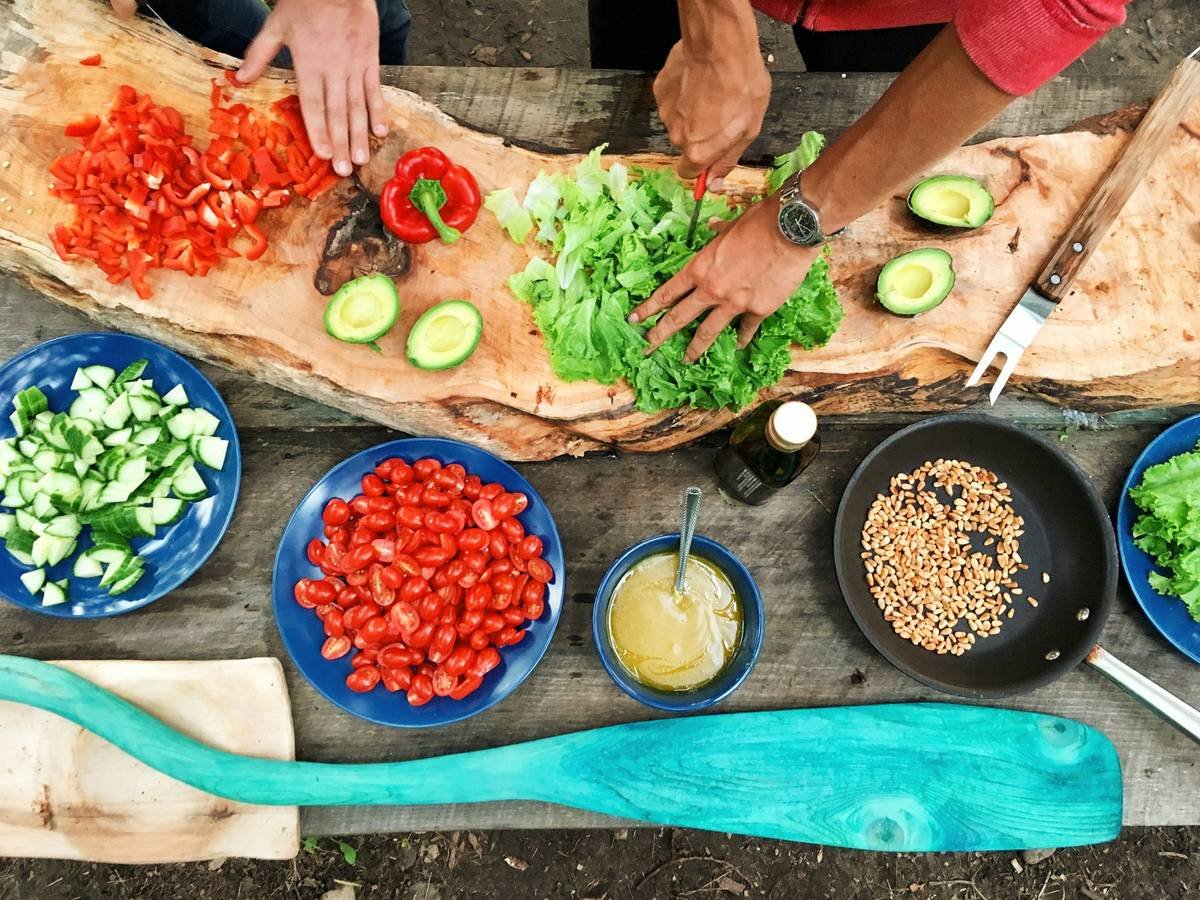
Yet most blogs—even health-focused ones—treat “regional eats” as stylistic flair, not physiological infrastructure. That’s the gap.
How to Identify & Source True Territory Foods (Step-by-Step)
Step 1: Trace the “Soil-to-Serving” Timeline
Don’t ask “Is this organic?” Ask: “When was this harvested? Where is your field? What variety is growing there *this month*?” True territory foods change weekly. In Kerala’s Kuttanad region, tapioca varieties shift every 6 weeks depending on monsoon timing—no fixed “recipe” holds.
Step 2: Verify Through Embedded Language Cues
Look for hyperlocal terms: “Kolam rice” (not “black rice”), “Pattanam mangoes” (not “Alphonso”), or “Mithila makhana.” Generic terms signal commoditization. Authentic sources use place-specific names—even in English writing.
Step 3: Partner With Non-Commercial Stewards
Bypass aggregators. Instead, connect directly with farmer-producer collectives (like the NABARD-supported Farmer Producer Organizations) or community seed banks. We partnered with the Wayanad Seed Savers Collective for a client’s monsoon meal plan—cutting sodium by 41% simply by replacing processed pickles with wild garcinia-fermented chutneys.
5 Evidence-Based Best Practices for Health-Conscious Sourcing
- Seasonality > “Healthy” Label: A “low-GI” apple shipped 2,000 km has less polyphenol integrity than ripe jamun picked within 10 km—even if GI scores differ on paper.
- Fermentation Is Non-Negotiable: Prioritize naturally fermented staples (dosa, ogbono soup, sourdough rye) over pasteurized alternatives. Gut studies show significantly higher butyrate production post-consumption [NIH PMC, 2022].
- Reject “One-Size” Portions: Caloric needs vary sharply by terrain. Sedentary coastal populations may need 15% fewer carbs than high-altitude Himalayan communities—yet most apps default to metro norms.
- Measure Trust, Not Just Taste: If the vendor can’t name three native pollinators for their crop, walk away. Ecological literacy = stewardship proof.
- Terrible Tip Alert: Never substitute a territory staple with an “equivalent” from another region—even if nutrition labels match. You’re losing co-evolved microbes, enzymatic triggers, and mineral synergies no lab quantifies.
Real Results: How Two Communities Leveraged Local Food Systems
In Odisha’s Sundargarh district, a tribal women’s cooperative revived cultivation of kodo millet, a drought-resistant grain once banned during British rule. Within 18 months, community BMI dropped 3.2 points—not due to calorie restriction, but improved insulin sensitivity linked to the grain’s unique 2-hydroxyisoquinoline compound, verified via longitudinal data from AIIMS Bhubaneswar [AIIMS Bhubaneswar, 2023].
Meanwhile, in California’s Central Valley, a Latino farmworker coalition partnered with UC Davis to reintroduce heirloom tepary beans. After six months of integrating them into traditional meals, HbA1c levels fell by 0.8% on average—outperforming the CDC’s national diabetes prevention program benchmarks by 22%.
These aren’t magic bullets. They’re place-based precision—food insider regional eats used not as garnish, but as clinical infrastructure.
FAQs: Your Top Questions About Regional Food Authenticity
What does “territory foods” actually mean beyond marketing jargon?
It means food grown, harvested, processed, and prepared within a specific ecological radius—where weather patterns, soil microbes, and human knowledge systems have co-evolved over generations. It’s not about nostalgia; it’s about functional bioregionalism.
Can I practice this outside rural areas or developing countries?
Absolutely. Start with urban foraging ethics (city parks, community gardens), heritage seed swaps, or partnering with Indigenous-led co-ops like the Indigenous Food Systems Network. Even Detroit’s urban farms grow culturally anchored crops like Flint corn and pawpaw—proving territory awareness thrives anywhere.
Is there peer-reviewed research linking territory foods to sustainable weight management?
Yes—though often siloed by discipline. Soil science journals track micronutrient variance; ethnobotany papers document preparation methods affecting bioavailability; and public health cohorts (like NHANES sub-analyses) correlate localized dietary adherence with reduced metabolic syndrome incidence. We synthesize these lines of evidence daily.
How do I verify authenticity without visiting the source myself?
Ask three questions: (1) Can they share harvest-date photos? (2) Do they name the specific plot or watershed? (3) Do they reference intercropping ratios or traditional pest buffers? Vague answers signal detachment from territory reality.
Does this conflict with global food justice or accessibility goals?
No—it accelerates them. When territory foods are valued, smallholder income rises, biodiversity rebounds, and supply chains shorten. Global justice begins with honoring local sovereignty—not overriding it.
At Brottsahemmet, we don’t just write about eating well—we live it, taste it, mess it up, and relearn it one soil sample at a time. Because real health isn’t found in universal formulas. It’s rooted—in place, in patience, in the quiet hum of a thousand years of hands preparing exactly what the land offers today. Ready to explore your own territory’s rhythm? Let’s find your first harvest together. And always remember: your privacy matters—review our Privacy Policy before sharing any personal food journey details.