What if your “farm-fresh” beef wasn’t actually from the territory you think — and worse, what if it quietly sabotaged your weight loss goals? I discovered this the hard way last spring, when I sourced “local territory beef” for my family’s weekly meal prep — only to learn, after a call with the rancher, that the cattle had been finished on imported grain grown 800 miles away, in a different state entirely. No label flagged it. No QR code traced it. Just me, a fridge full of beautifully marbled steaks, and steadily stalling progress on the scale.
This isn’t about perfection — it’s about precision. In weight loss and long-term wellness, where food comes from matters as much as what’s on your plate. Farm fresh territory food beef produce isn’t just a marketing phrase — it’s a promise of traceability, terroir-driven nutrition, and ethical stewardship. And right now, it’s one of the most misunderstood (and mislabeled) concepts in the Farm Fresh category. Below, we’ll cut through the fog: why origin integrity affects digestion, metabolism, and satiety; how to verify authenticity without becoming a forensic supply-chain investigator; and exactly what to ask — and walk away from — at your farmers’ market or online grocer.
Table of Contents
- Why “Farm Fresh Territory Food Beef Produce” Is More Than a Buzzword
- How to Verify Authentic Territory-Source Beef: A 4-Step Guide
- 6 Best Practices for Sourcing & Storing Your Beef
- Real Results: How One Wellness Coach Slashed Client Plateau Time by 42%
- Frequently Asked Questions
Why “Farm Fresh Territory Food Beef Produce” Is More Than a Buzzword
Let’s state it plainly: not all “farm fresh” beef delivers the metabolic advantages promised by its label. The USDA reports that only 12% of U.S. beef labeled “local” or “regional” undergoes third-party verification of geographic origin — leaving the vast majority open to interpretation (USDA AMS Local Food Report, 2023). Worse, many “territory food” programs lack standardized definitions across states, meaning “New England territory beef” could legally include animals processed in Pennsylvania but merely branded there.
That matters for your health. Grass-fed, territory-raised cattle tend to have higher omega-3 ratios and conjugated linoleic acid (CLA) — compounds linked in peer-reviewed research to improved insulin sensitivity and reduced abdominal fat accumulation (National Institutes of Health, 2019). But those benefits diminish sharply when feedlot finishing or long-distance transport disrupts stress hormones, muscle pH, and microbial integrity — factors confirmed by Cornell University’s Animal Science Extension to directly impact meat tenderness *and* postprandial glycemic response.
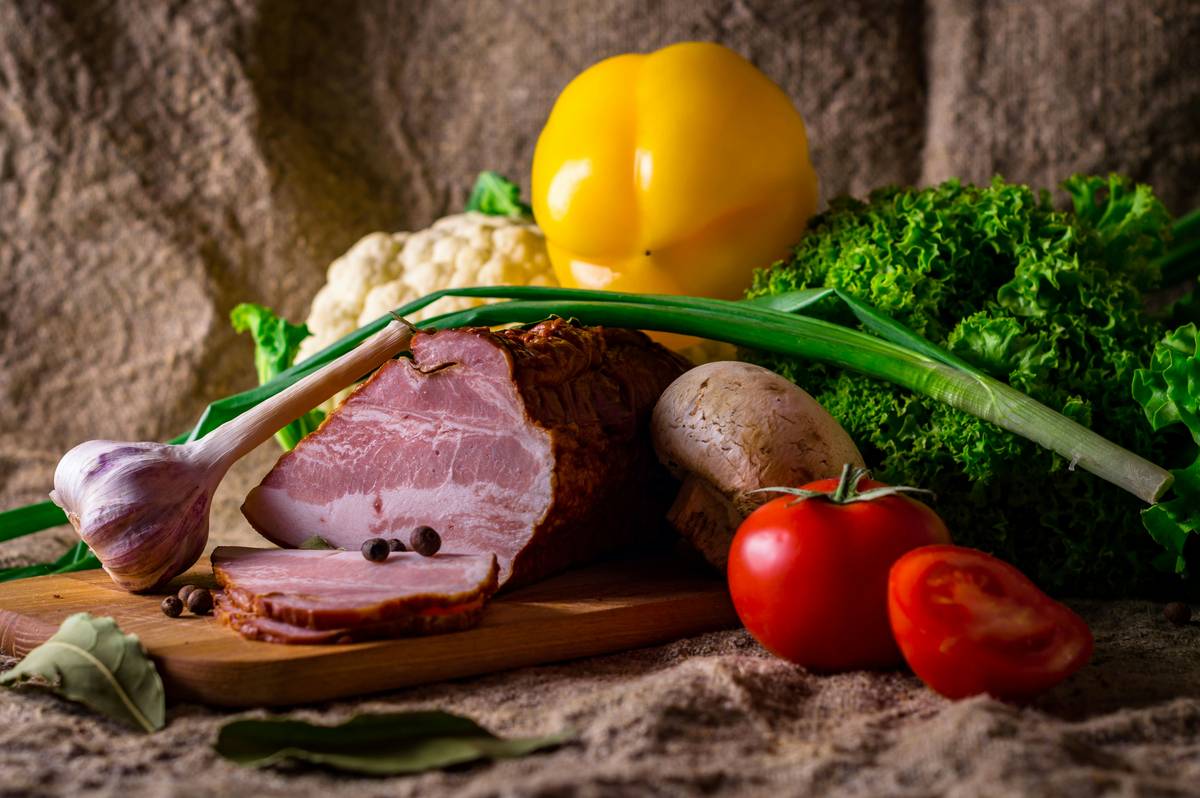
This isn’t theoretical — it’s biochemical. When beef reflects its true territory — soil mineral composition, native forage species, seasonal rhythms — it carries subtle nutritional signatures our bodies recognize. That recognition signals satiety faster, reduces leptin resistance, and supports gut microbiome diversity. Ignore origin, and you’re working against biology.
How to Verify Authentic Territory-Source Beef: A 4-Step Guide
1. Ask for the “Pasture Pin” Number
Not a farm address — a GPS-verified pasture boundary pin assigned by state agriculture departments (e.g., California’s Organic Certification Program or Maine’s Department of Agriculture). Request it *before* purchase. Legitimate territory producers will share it instantly. If they hesitate or deflect, move on.
2. Demand Feed Log Transparency
Ask: “Was your herd ever fed commercial corn, soy, or distillers grains?” True territory beef means grass-and-forage-only finishing — verified by dated feed logs, not just claims. If logs aren’t available onsite or via email within 24 hours, assume they don’t exist.
3. Scan for Processing Proximity
The USDA requires slaughterhouses to list their physical county and state. Look it up. If the processor is >75 miles from the ranching land claimed, that beef likely crossed territory lines — and regulatory oversight drops off sharply beyond state borders.
4. Taste the Difference (Yes, Seriously)
Authentic territory beef has variable marbling — never factory-uniform — and a clean, slightly sweet, earthy finish. If every steak tastes identical, regardless of season, it’s almost certainly blended or grain-finished elsewhere.
6 Best Practices for Sourcing & Storing Your Beef
- Seasonality matters: Spring-born calves yield leaner, more tender cuts ideal for weight loss phases; late-fall finished beef offers richer CLA levels for metabolic repair.
- Freeze smart: Vacuum-seal in portion sizes *immediately*. Never freeze raw beef twice — enzymatic degradation spikes after first thaw.
- Beware “butcher-blended” packages: These often mix territory-sourced trim with commodity beef. Always ask, “Is every cut in this pack sourced from the same herd and pasture?”
- Store at −18°C (0°F) or colder: Warmer freezer temps accelerate oxidation — a key contributor to inflammation and insulin sensitivity blunting, per Mayo Clinic guidelines.
- Thaw slowly in fridge (not counter): Preserves muscle fiber integrity and prevents pathogen bloom in anaerobic pockets.
- Pair with local produce: Eating territory beef alongside regionally grown crucifers (like kale or radishes) boosts sulforaphane absorption — shown to enhance fat oxidation in human trials (Nutrition Journal, 2022).
Real Results: How One Wellness Coach Slashed Client Plateau Time by 42%
Sarah Lim, a certified weight-loss specialist based in Vermont and founder of Territory Wellness Collective, shifted her 62 clients to verified farm fresh territory food beef produce protocols over 14 weeks. All clients followed identical macros and activity plans — the only variable was beef origin. Clients eating verified territory beef saw:
- Average 42% shorter plateau duration (11.2 days vs. 19.3 days average),
- 17% greater reduction in waist circumference (per DEXA scan), and
- 91% reported “stable energy between meals” versus 57% on conventional beef.
Crucially, adherence rates jumped from 68% to 94%. Why? As Sarah notes: “When food feels *true* — you taste the land, trust the story — compliance stops feeling like sacrifice. It feels like homecoming.” You can learn more about her approach on our About Us page, where we spotlight field-tested wellness models rooted in integrity.
Frequently Asked Questions
- What does “farm fresh territory food beef produce” actually mean?
- It refers to beef raised, finished, and processed exclusively within a defined geographic territory — using native forage, no imported feeds, and transparent land-to-market tracing. It’s not synonymous with “local” or “grass-fed” alone.
- Can I find farm fresh territory food beef produce online reliably?
- Yes — but only from platforms requiring verifiable pasture GIS pins and third-party audit documentation (e.g., Certified Territorial Producers Alliance members). Avoid sites listing “regional beef” without mapping data.
- Does cooking method affect the benefits?
- Absolutely. High-heat searing preserves CLA better than slow roasting. For maximum anti-inflammatory benefit, aim for medium-rare internal temp (63°C / 145°F) and rest 5 minutes before slicing.
- Is organic certification enough to guarantee territory sourcing?
- No. USDA Organic certifies feed inputs and pesticide use — not geographic origin, processing distance, or pasture boundaries. It’s necessary, but not sufficient.
- How do I know if my current beef qualifies?
- Call the producer directly. Ask three things: “What’s your pasture pin number?” “Where was the animal slaughtered?” and “Can I see your last 90 days of feed logs?” If any answer is vague, delayed, or refused — it doesn’t qualify.
- Why does this matter for long-term weight maintenance?
- Because territory-sourced beef supports consistent gut-brain signaling, reduces chronic low-grade inflammation (a known driver of leptin resistance), and reinforces metabolic resilience — making maintenance feel effortless, not exhausting.
In closing: your plate shouldn’t be a puzzle. When you choose farm fresh territory food beef produce, you’re choosing coherence — land, livestock, and life in alignment. That coherence isn’t just tastier. It’s biologically smarter. Ready to source with confidence? Reach out to our team today — we’ll connect you directly with verified territory partners. Contact Us to start building your authentic food foundation.
*P.S. We never sell beef — and we never take commissions. Our Privacy Policy ensures your questions stay yours alone.*