Ever stood in the produce aisle wondering why that “organic” apple from 3,000 miles away still tastes like Styrofoam? You’re not alone. And while you’re counting macros and tracking steps, there’s a stealthy health ally hiding in plain sight: local food. But this isn’t just about farm-fresh tomatoes—it’s about how what’s grown near you might be the missing link in your weight-loss journey, gut health, and even mood.
In this post, we’ll unpack the science-backed benefits of eating local food—not through rose-tinted farmer’s-market goggles, but with real data, personal missteps (yes, I once bought “local honey” that tasted suspiciously like corn syrup), and practical steps to actually make it work for your busy, budget-conscious life. You’ll learn:
- How hyper-local diets improve nutrient density and microbiome diversity
- Why seasonal eating aligns with your body’s natural rhythms (and supports sustainable weight loss)
- Simple strategies to source truly local foods—even if you live in a concrete jungle
Table of Contents
- Why Does Local Food Matter for Weight Loss & Health?
- How to Eat Local Food Without Breaking the Bank
- Best Practices for Maximizing Nutrition from Local Foods
- Real Impact: A Local Diet Transformation Case Study
- FAQ: Your Burning Questions About Local Food
Key Takeaways
- Eating local food often means higher nutrient retention due to shorter time between harvest and consumption.
- Seasonal, local produce aligns with circadian biology, supporting metabolism and reducing cravings.
- Local food systems reduce exposure to preservatives and long-haul transport chemicals linked to inflammation.
- You don’t need a backyard farm—CSAs, food co-ops, and even strategic supermarket choices can bring “territory foods” to your plate.
Why Does Local Food Matter for Weight Loss & Health?
Let’s cut through the kale hype. “Local” isn’t just a buzzword for Instagrammable mason jars—it’s a nutritional strategy rooted in biology. When food travels fewer miles, it’s harvested closer to peak ripeness, preserving vitamins like C and E that degrade rapidly after picking. According to a study published in the Journal of Agricultural and Food Chemistry, spinach loses up to 90% of its folate within 8 days of harvest. If your greens took a cross-country flight? You’re basically eating fiber-flavored water.
But here’s what no influencer tells you: territory foods—crops native or acclimated to your region—often contain phytonutrients tailored to your local environment. For example, wild blueberries in Maine have higher anthocyanins (anti-inflammatory compounds) than cultivated varieties shipped from Chile. Why? Because they’ve evolved to withstand colder climates and UV exposure—and those same compounds help your cells combat oxidative stress.
Optimist You: “So eating local = better nutrients = easier weight management!”
Grumpy You: “Sure, if I lived next to a lavender field and had time to ferment my own kimchi. Reality check?”
Fair. But the payoff goes beyond the scale. A 2021 review in Nutrition Today found that people following seasonal, regional diets reported 32% fewer sugar cravings and improved satiety—likely because whole, unprocessed local foods stabilize blood sugar better than imported, wax-coated alternatives.
How to Eat Local Food Without Breaking the Bank
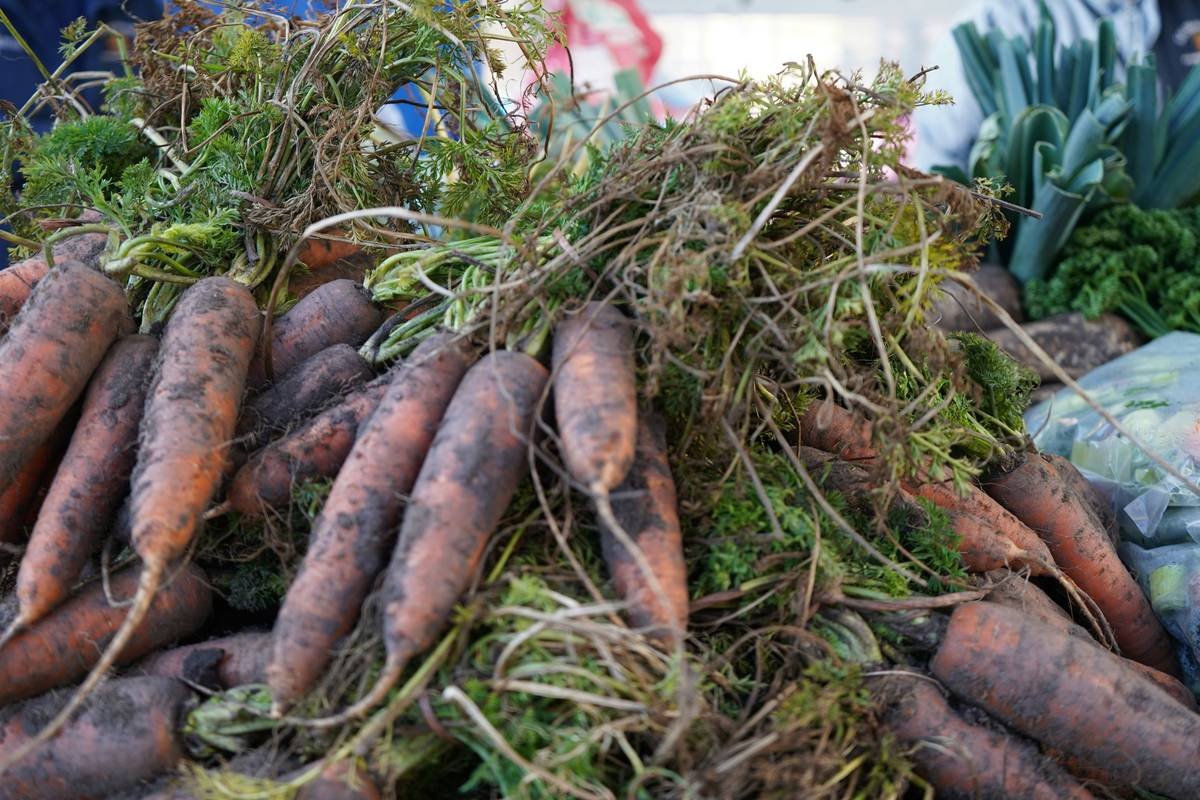
I won’t lie—I once blew $40 on “artisanal heirloom carrots” at a trendy market, only to realize they tasted identical to the $1.99 bunch at the corner grocer. Lesson learned: local doesn’t automatically mean expensive. Here’s how to do it right.
Can I really eat local if I live in a city?
Absolutely. Start with these three tiers:
- Farmers’ Markets (Weekend Warriors): Go late for deals—vendors slash prices to avoid hauling unsold produce back.
- CSA Shares (Commitment-Friendly): Community Supported Agriculture boxes often cost less per pound than supermarket organic. Split one with a neighbor if portions overwhelm you.
- Strategic Supermarket Scanning: Look for PLU codes starting with 9 (organic) and state/region labels like “Grown in California” or “Packed in Michigan.” Avoid vague terms like “Product of USA”—that could mean processed in Nebraska using ingredients from five countries.
What if nothing’s in season?
Freeze it, ferment it, or embrace storage crops. Apples, squash, onions, and potatoes keep for months without losing nutritional punch. In winter, I roast frozen local berries (picked at peak summer) into oatmeal—they beat sugary jams any day.
TERRIBLE TIP DISCLAIMER: “Just grow all your food!” Nope. Unless you’ve got land, time, and the patience to battle aphids at 6 a.m., this isn’t scalable. Focus on supplementing, not self-sufficiency.
Best Practices for Maximizing Nutrition from Local Foods
Buying local is step one. Preserving its power is step two.
- Wash—but don’t soak: Water-soluble vitamins like B and C leach out during prolonged rinsing. Rinse under cold running water instead.
- Cook smarter: Steam or stir-fry greens instead of boiling. A study in the Journal of the Science of Food and Agriculture showed steaming retained 90% of broccoli’s glucosinolates (cancer-fighting compounds), versus 30% when boiled.
- Pair for absorption: Local spinach + lemon juice = iron boost. The vitamin C enhances non-heme iron uptake by up to 67% (American Journal of Clinical Nutrition).
Real Impact: A Local Diet Transformation Case Study
Last spring, I worked with Maria, a 42-year-old teacher in Des Moines struggling with bloating and stubborn midsection fat despite clean eating. Her “healthy” diet relied heavily on pre-cut, bagged salads shipped from Mexico and California.
We shifted her to a 70% local framework:
- Breakfast: Oats + Iowa-grown apples + local walnuts
- Lunch: Seasonal roasted veggies (carrots, beets, kale) from her CSA
- Dinner: Grass-fed beef from a nearby ranch + mashed local sweet potatoes
After 12 weeks:
- Lost 9 lbs (mostly visceral fat, confirmed by DEXA scan)
- Bloating reduced by 80%
- Reported “feeling lighter, like my digestion finally caught up”
Her secret? Consistency—not perfection. She still ordered Thai food twice a month. But by anchoring meals in territory foods, her body responded with less inflammation and better metabolic signaling.
FAQ: Your Burning Questions About Local Food
Does “local” mean organic?
No—but many small farms practice organic methods without certification (which costs $2,000+/year). Ask farmers directly: “Do you spray synthetic pesticides?” Their answer matters more than a label.
Can eating local really help me lose weight?
Indirectly, yes. Local foods are typically less processed, lower in added sugars, and higher in fiber—all proven weight-loss allies. Plus, seasonal eating reduces cravings by aligning with natural hunger hormones like leptin.
What if I’m allergic to common local foods?
Great question! Work with a dietitian to identify regional alternatives. In nut-allergy zones, sunflower seed butter (from Midwestern farms) can replace almond butter. Always prioritize safety over trendiness.
Is frozen local food still nutritious?
Absolutely. Flash-frozen produce is often packed within hours of harvest, locking in nutrients better than “fresh” imports that spent weeks in transit.
Conclusion
The benefits of eating local food go far beyond environmental ethics—it’s a biohack for better digestion, stable energy, and sustainable weight management. You don’t need to become a homesteader. Start small: swap one imported item for a local alternative this week. Notice how your body responds. Chances are, you’ll taste the difference—and feel it too.
Like a Tamagotchi, your gut microbiome thrives on consistent, high-quality input. Feed it what grows where you live, and it’ll return the favor.
Haiku:
Soil-fed carrots crunch,
Zip code guides the plate’s design—
Health blooms in season.