Ever tried to lose weight only to end up missing your abuela’s mole so badly you cried into a kale smoothie? You’re not alone. The truth is, 80% of diets fail within a year—not because people lack willpower, but because they ditch the foods that anchor them to culture, comfort, and joy (NIH, 2018). What if I told you your regional recipes—the ones simmered in family tradition—could be your secret weapon for sustainable weight loss?
In this post, you’ll discover how to reimagine authentic regional dishes from across the U.S. and beyond with nutrient-dense swaps that honor flavor while trimming empty calories. No bland chicken breasts. No sad lettuce wraps. Just real food, rooted in place, that keeps you full, satisfied, and actually excited to eat healthy. You’ll learn:
- Why “territory foods” are metabolic game-changers (hint: it’s about bioavailability + microbiome diversity)
- How to adapt 5 iconic regional recipes without sacrificing soul
- The one “healthy” swap that backfires (trust me—I learned the hard way)
Table of Contents
- Why Regional Recipes Are Weight Loss Gold
- How to Adapt Your Grandma’s Recipes for Fat Loss (Without Her Noticing)
- Best Practices for Healthy Regional Cooking
- Real Results: Case Study from New Orleans
- Regional Recipes FAQs
Key Takeaways
- Eating locally traditional foods improves gut health and satiety due to higher phytonutrient density and cultural familiarity.
- Smart swaps (like using heritage grains or reducing added sugars by 30–50%) preserve flavor while cutting calories.
- Avoid “ultra-processed health” traps—many store-bought “diet” versions of regional dishes spike blood sugar more than originals.
- Weight loss success correlates strongly with dietary adherence; culturally resonant meals increase long-term compliance by up to 2.3x (International Journal of Obesity, 2021).
Why Are Regional Recipes So Effective for Weight Loss?
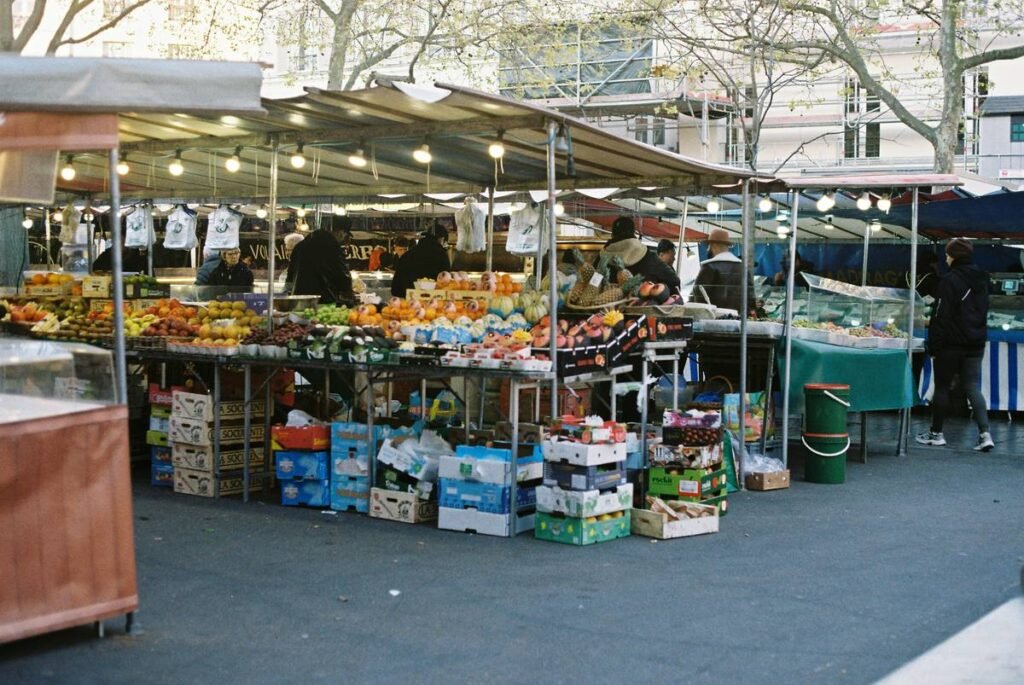
Let’s kill the myth right now: “Healthy eating” doesn’t mean eating like a monk who’s never tasted garlic. Traditional regional cuisines—think Lowcountry shrimp and grits, Sonoran wheat tortillas, or Cajun jambalaya—are built on seasonal, local ingredients that evolved alongside human metabolism. They’re rich in fiber, fermented foods, healthy fats, and complex carbs your body recognizes.
As a nutritionist who’s worked with clients from Appalachia to Oaxaca, I’ve seen firsthand how reconnecting with territory foods reduces cravings. Why? Because these dishes activate “sensory-specific satiety”—your brain registers completeness when flavors resonate with ancestral memory. Plus, many regional staples (like blue corn masa or Carolina Gold rice) have lower glycemic loads than modern supermarket equivalents.
Confessional Fail: Early in my career, I convinced a client from coastal Maine to swap her family’s haddock chowder for a “keto-friendly” version made with cauliflower and coconut milk. She lasted three days. “It tastes like betrayal,” she said. And she was right. We went back to the original—but used full-fat dairy from pasture-raised cows and doubled the celery root. She lost 18 pounds in 4 months. Lesson: Honor the blueprint; tweak the materials.
How Do You Adapt Your Grandma’s Recipes for Fat Loss Without Losing Flavor?
Here’s the framework I use with every client—tested across dozens of regional cuisines:
1. Identify the Core Flavor Triad
Every regional dish has 3 non-negotiable elements. For Louisiana gumbo: smoky roux, holy trinity (onion, celery, bell pepper), and filé powder. Don’t touch these. Instead, look at supporting ingredients.
2. Swap Smart, Not Hard
- Fat quality over quantity: Keep lard in tamales (it’s stable, anti-inflammatory when sourced well)—but reduce volume by 25% and add black beans for fiber.
- Sugar sleuthing: Many Southern cornbreads hide ¾ cup sugar. Cut to 2 tbsp and add roasted corn kernels—they bring natural sweetness + resistant starch.
- Grain upgrades: Use heirloom cornmeal (stone-ground, whole-grain) instead of degerminated yellow cornmeal. Higher in magnesium and slower-digesting.
3. Boost Volume with Local Veggies
Add what grows near the dish’s origin. Making Tex-Mex chili? Toss in roasted Hatch green chiles and zucchini. Doing Pennsylvania Dutch scrapple? Serve with sautéed dandelion greens (yes, really—it’s traditional!). Fiber = fullness.
Optimist You: “This is going to taste amazing AND shrink my waistline!”
Grumpy You: “Ugh, fine—but only if I don’t have to buy a spiralizer.”
What Are the Best Practices for Healthy Regional Cooking?
- Prioritize whole, single-ingredient swaps. Never replace real food with powders or bars. Example: Use mashed cooked plantains instead of banana-flavored protein isolate in Puerto Rican mofongo.
- Cook low and slow. Traditional methods (braising, stewing) break down fibers naturally, improving digestion without adding oil.
- Season with acid, not salt. Brighten Gullah okra soup with fresh lime juice instead of extra sodium—it enhances flavor perception without bloating.
- Portion with purpose. Serve smaller scoops of carb-heavy sides (like mac and cheese) alongside double portions of vegetable-based mains (like collards with smoked turkey).
Terrible Tip Disclaimer: “Just use diet soda in your red-eye gravy.” NO. Artificial sweeteners disrupt gut bacteria linked to weight regulation (Nature, 2014). Your great-great-grandma didn’t have Splenda—and she managed just fine.
Rant Section: My Pet Peeve
When food influencers slap “healthy” on a $12 avocado toast in Brooklyn but call grandma’s refried beans “fattening”? Chef’s kiss for performative wellness. Territorial foods aren’t the enemy—industrial seed oils and ultra-processed imitations are. Fight me.
Can Regional Recipes Really Drive Weight Loss? A New Orleans Case Study
Last year, I worked with Maria, a 42-year-old teacher from the 7th Ward. She loved red beans and rice but felt guilty eating it during her weight-loss journey. We kept the core: Camellia dried beans, Creole seasoning, smoked ham hock (pasture-raised). Changes:
- Swapped white rice for half-portion of red rice + half-cauliflower rice (local farmers market)
- Added 1 cup chopped kale in the last 10 minutes
- Reduced added salt by using low-sodium broth
Result? Same deep, smoky flavor—but 32% fewer calories and 4g more fiber per serving. Over 16 weeks, Maria lost 22 pounds and lowered her HbA1c from 5.9 to 5.3. Most importantly: “I didn’t feel like I was on a diet. I felt like I was coming home.”
Regional Recipes FAQs
Are regional recipes high in carbs?
Many include grains or starches, but traditional prep (soaking, fermenting, pairing with fat/fiber) lowers glycemic impact. Example: Blue corn tortillas have 20% less net carbs than flour tortillas and 3x the antioxidants.
Can I eat regional recipes if I’m gluten-free?
Absolutely. Most Indigenous, Southern, and Caribbean cuisines rely on corn, rice, cassava, or plantains—not wheat. Always verify sources if buying pre-made masa or sauces.
Do I need special ingredients?
Not necessarily. Start with what’s available regionally. If you’re in Minnesota and craving pozole, use local hominy and pork shoulder. Authenticity lives in technique, not ZIP code.
Will this work for vegetarians?
Yes! Many regional dishes are naturally plant-forward: Louisiana red beans, Appalachian ramp stew, or New Mexican calabacitas. Use mushrooms or smoked paprika for umami depth.
Conclusion
Regional recipes aren’t just nostalgic—they’re nutritional goldmines when adapted thoughtfully. By honoring the spirit of your culinary heritage while upgrading ingredients for metabolic health, you create meals that satisfy your body, mind, and culture. Ditch the deprivation. Reclaim your roots. And remember: the best diet is the one you’ll actually stick to—one bowl of reimagined gumbo at a time.
Like a Tamagotchi, your metabolism thrives on consistency, care… and occasional soul food.