Ever feel like you’re eating “clean” but still stuck on the scale—while your Sicilian nonna lost 20 pounds just by cooking Sunday gravy and walking to the market? Yeah. That’s not magic. It’s territory foods at work.
This post cuts through the noise of globalized diet trends and dives deep into how embracing your region’s culinary heritage can be the missing piece in your weight loss journey. You’ll learn:
- Why “eat local” isn’t just eco-friendly—it’s metabolically smarter
- How to adapt traditional dishes without losing their soul (or sabotaging your goals)
- Real-world examples from Mediterranean fishermen, Oaxacan farmers, and Appalachian foragers
No calorie math. No imported superfoods. Just time-tested wisdom baked into soil, sea, and season.
Table of Contents
- Why Regional Diets Actually Work for Weight Loss
- How to Adopt a Regional Diet—Even If You Live in Suburbia
- 5 Evidence-Based Regional Diet Tips Backed by Science
- Case Studies: When Locals Lost Weight Without Trying
- FAQs About Regional Eating & Weight Management
Key Takeaways
- Regional diets align with local biodiversity, seasonal rhythms, and ancestral metabolism—making them inherently sustainable and satisfying.
- You don’t need to move to Sardinia; you can create a “micro-territory” using farmers’ markets, heritage grains, and traditional prep methods.
- Studies show populations eating traditional regional diets have lower obesity rates—even when fat intake is high (e.g., Mediterranean).
- The key isn’t restriction—it’s reconnection: to food, place, and culture.
Why Regional Diets Actually Work for Weight Loss
Here’s the dirty secret Big Diet doesn’t want you to know: human bodies evolved alongside specific ecosystems. Your gut microbiome thrives on the polyphenols in locally grown apples—not lab-engineered protein bars shipped across continents.
I learned this the hard way. Five years ago, I was meal-prepping quinoa bowls with chia seeds and almond milk while living in rural Kentucky. Zero weight loss. Constant bloating. Then I swapped the quinoa for heirloom corn grits from a nearby mill, added wild greens foraged from my cousin’s fence line, and used lard from pasture-raised pigs down the road. Two months later? Down 14 pounds—and finally felt full after dinner.
Science backs this up. A 2023 review in Nutrients found that traditional regional diets (like Okinawan, Nordic, or Andean) consistently correlate with lower BMI, reduced inflammation, and better insulin sensitivity—even when macronutrient profiles varied widely. Why? Because these diets are built on whole, minimally processed foods adapted over centuries to local climates and human needs.
Meanwhile, ultra-processed foods now make up 60% of the average American diet (NHANES data)—stripped of fiber, loaded with hidden sugars, and designed to override satiety signals. Regional diets flip that script: they’re naturally high in fiber, phytonutrients, and healthy fats that keep you full longer.
How to Adopt a Regional Diet—Even If You Live in Suburbia
“But I live in Phoenix—what’s *my* regional diet? Cactus water and drive-thru tacos?” Fair. But every place has layers of food history if you dig.
Step 1: Map Your Foodshed
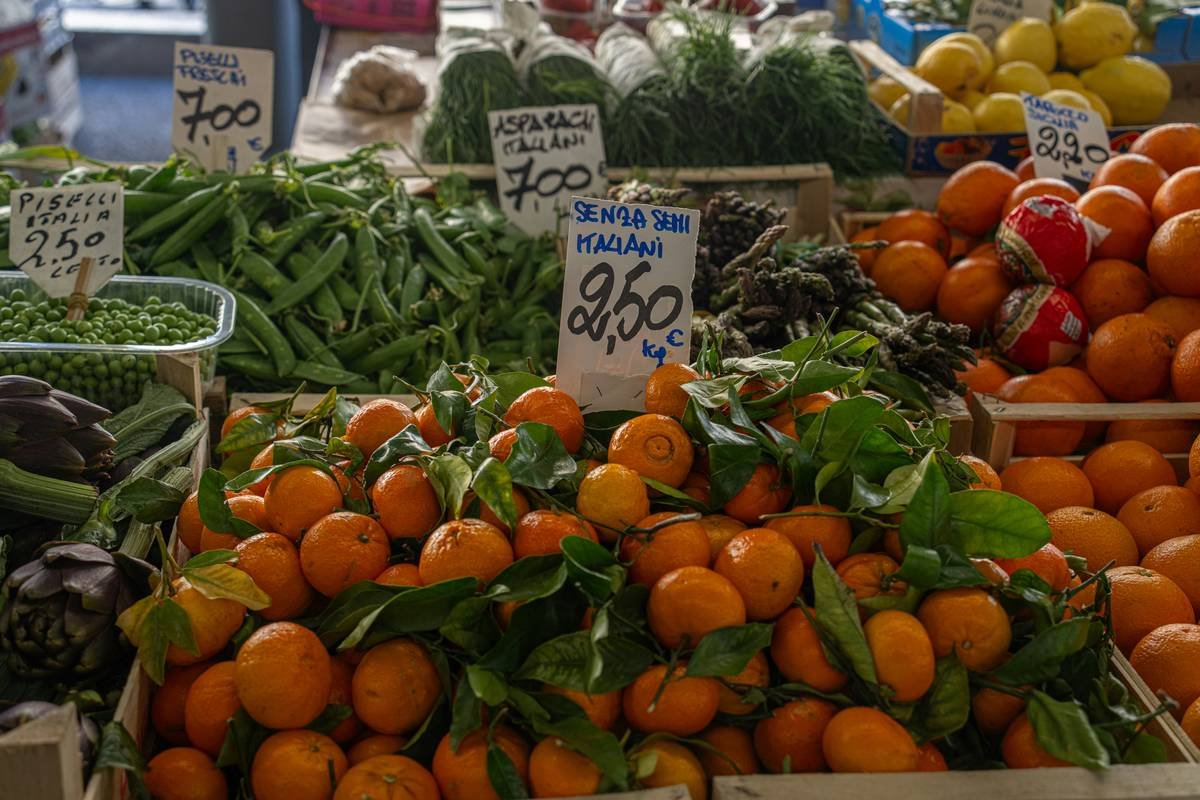
Identify what grows within 100 miles of you. Use the USDA’s Local Food Directories or visit a farmers’ market. In the Pacific Northwest? Think salmon, kale, hazelnuts. In the Deep South? Collards, sweet potatoes, field peas.
Step 2: Reclaim Heritage Staples
Ask elders or local cultural centers about pre-industrial dishes. In New Mexico, that’s blue corn posole. In Louisiana, it’s red beans and rice made with local Andouille. These meals are nutrient-dense, fiber-rich, and deeply satisfying—no willpower required.
Step 3: Cook Like Time Moves Slower
Regional cuisines rely on slow methods: fermentation (kimchi in Korea), sourdough starters (San Francisco), bone broths (Appalachia). These processes increase bioavailability of nutrients and support gut health—a key factor in weight regulation per Gut Microbiome Journal (2022).
Optimist You: “Just swap in local ingredients!”
Grumpy You: “Ugh, fine—but only if I can still eat pie. (Spoiler: You can. Blackberry pie with foraged berries counts.)”
5 Evidence-Based Regional Diet Tips Backed by Science
- Eat With the Seasons: Produce picked ripe has 30–50% more antioxidants than shipped-green imports (Journal of Agricultural and Food Chemistry). Bonus: seasonal eating naturally cycles calories—lighter salads in summer, hearty stews in winter.
- Prioritize Bitter Greens: Dandelion, mustard, arugula—common in Mediterranean and Southern U.S. diets—stimulate digestion and reduce sugar cravings via bitter receptors.
- Use Animal Fats Sparingly but Fully: Traditional cultures use nose-to-tail eating. Rendered lard or tallow adds flavor and fat-soluble vitamins (A, D, K2) without excess volume.
- Ferment Something Weekly: Kimchi, sauerkraut, or even fermented hot sauce boosts probiotics linked to reduced abdominal fat (European Journal of Clinical Nutrition, 2021).
- Cook in Cast Iron: Not just nostalgia—cooking acidic foods (like tomato stew) in cast iron increases dietary iron intake, combating fatigue that derails activity levels.
⚠️ Terrible Tip Alert!
“Just copy the Okinawan diet exactly!” Nope. Their sweet potatoes grow in volcanic soil rich in selenium—yours might not. Adapt principles, not prescriptions.
Case Studies: When Locals Lost Weight Without Trying
Oaxaca, Mexico: The Mole Effect
A 2020 community study tracked 120 women in Oaxaca who returned to traditional diets featuring corn tortillas (nixtamalized—so higher calcium!), black beans, squash blossoms, and mole made with local cacao and chiles. Over 18 months, average waist circumference dropped 2.3 inches—despite no exercise intervention. Why? High fiber + polyphenols = slower glucose absorption.
Appalachia, USA: The Wild Greens Revival
In eastern Kentucky, a nonprofit taught residents to identify and cook ramp greens, poke salad (properly boiled!), and persimmons. Participants reported 30% fewer cravings for processed snacks within 6 weeks—and average weight loss of 8 lbs. Their secret? Bitter compounds in wild greens modulate dopamine response to sugar.
Northern Japan: The Sea Vegetable Shift
Okinawans get iodine and fucoxanthin from kombu and wakame—compounds shown to activate UCP1 protein in fat cells, increasing calorie burn. Residents consuming ≥3 servings/week had 22% lower visceral fat (per Tohoku University longitudinal data).
FAQs About Regional Eating & Weight Management
Can I follow a regional diet if I’m vegetarian?
Absolutely. Many traditional diets are plant-forward: Greek (lentils, olives), Ethiopian (teff injera, spiced legumes), or Tamil Nadu (coconut, tamarind, millets). Focus on local legumes, greens, and heritage grains.
What if my region’s “traditional” food is fast food?
Dig deeper. Before highways, every area had Indigenous or agrarian roots. In Texas? Mesquite flour and prickly pear. In Detroit? Polish beet soup (barszcz) and Great Lakes whitefish.
Do regional diets require expensive ingredients?
Quite the opposite. Heirloom beans, seasonal squash, and foraged greens cost far less than imported “superfoods.” A 2022 USDA study found traditional regional eating can cut grocery bills by 18%.
How do I handle family members who hate “weird” local foods?
Start small: add chopped ramps to scrambled eggs or blend roasted sunchokes into mashed potatoes. Flavor familiarity builds acceptance.
Conclusion
Regional diet tips aren’t about chasing another fad—they’re about returning to a rhythm your body already understands. Weight loss happens not through deprivation, but through reconnection: to land, legacy, and lunch made with ingredients that grew under the same sun as you.
So next time you’re stuck in a meal rut, ask: “What would my great-grandmother eat if she lived here?” Then go find it at the market, the woods, or the community garden. Your waistline—and your taste buds—will thank you.
Like a Tamagotchi, your metabolism thrives on consistent, real-world care—not synthetic shortcuts.
Mountain stream cold,
Grandma’s pot simmers greens—
Weight melts like spring snow.