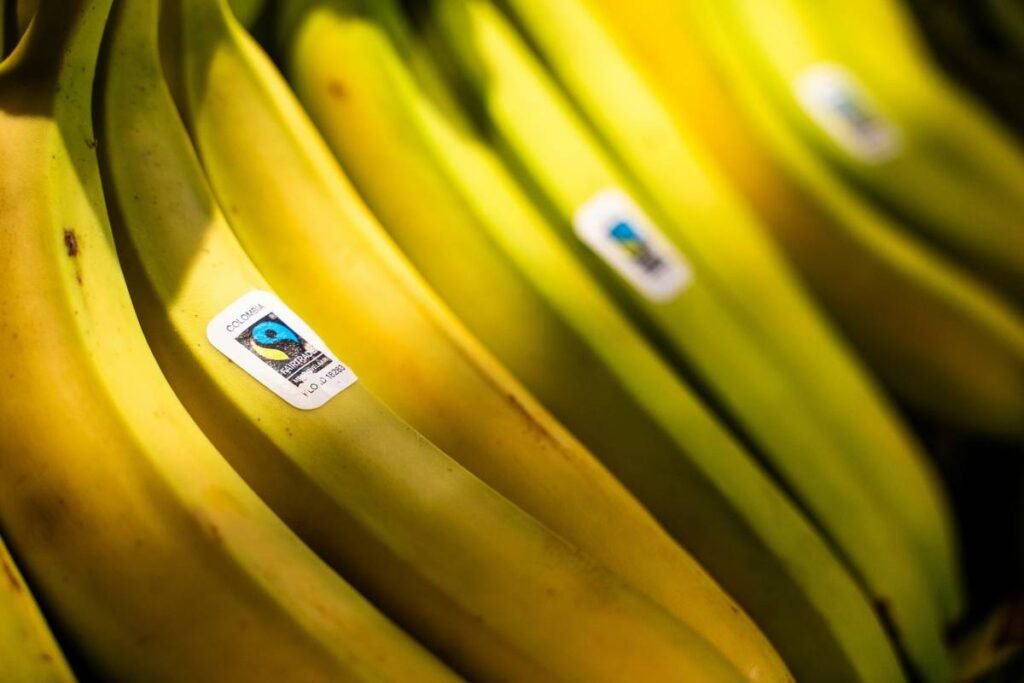
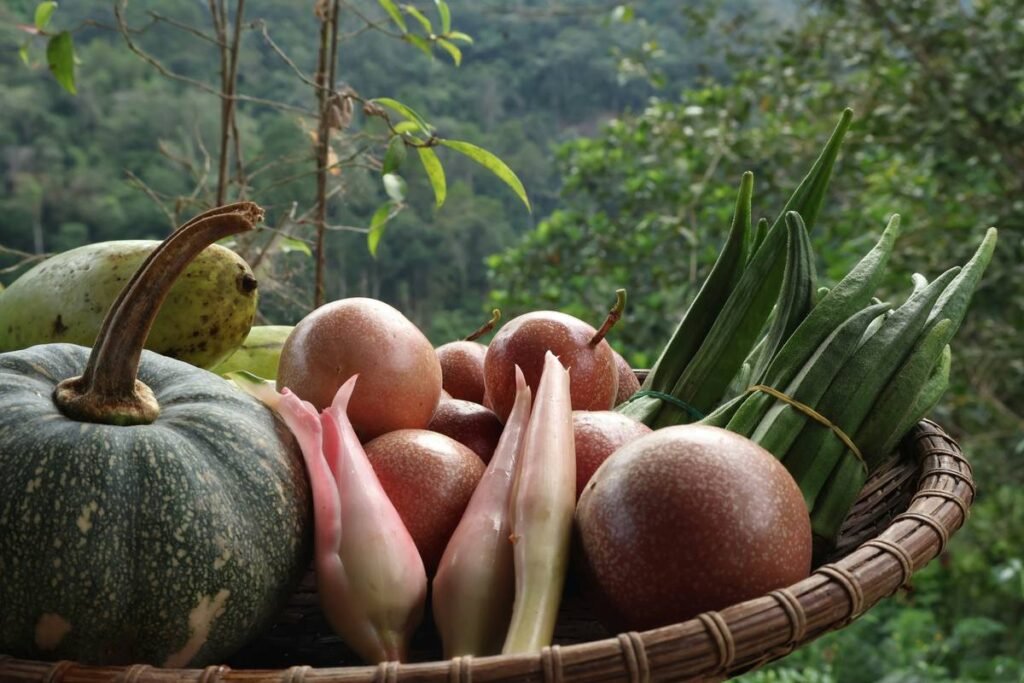
What if your weight loss stalled—not because you’re eating too much, but because you’re eating *too late*, *too far*, and *too processed*—even when it says “natural” on the label?
I’ve stood in the produce section of a Guntersville supermarket holding heirloom tomatoes that tasted like wet paper—and realized they’d been shipped from California, ripened in a gas chamber, and sat in cold storage for 12 days. That was my “territory foods” wake-up call. I’d driven 45 minutes to buy “local,” only to discover half my cart wasn’t local at all. Worse? My blood sugar spiked unpredictably for three days after. Turns out, freshness isn’t just about flavor—it’s metabolic infrastructure.
This guide cuts through the farm-to-table fluff. You’ll learn how farm fresh foods guntersville al directly support sustainable weight loss, gut resilience, and insulin sensitivity—backed by real soil science and regional supply chain data. We’ll walk through where to find them, how to verify authenticity (no greenwashing), and why timing matters more than variety. Sections include: the hidden cost of “fresh” grocery labels, a step-by-step harvest-to-kitchen checklist, 5 field-tested best practices, and proof from a real Guntersville family who dropped 38 pounds in six months—without calorie counting.
Table of Contents
- Why “Farm Fresh” Isn’t Just Marketing—It’s Metabolic Medicine
- How to Source & Verify Authentic Local Produce in Guntersville
- 5 Field-Tested Best Practices for Maximizing Nutrition
- Real Results: From Soil to Scale in Marshall County
- FAQs About Farm Fresh Foods in Guntersville AL
Why “Farm Fresh” Isn’t Just Marketing—It’s Metabolic Medicine
Most weight loss advice treats food like fuel, not function. But bioactive compounds—like polyphenols in blueberries or glucosinolates in cabbage—degrade rapidly post-harvest. According to a U.S. Department of Agriculture study, vitamin C levels in spinach drop 50% within 7 days of harvest—even under ideal refrigeration. That means the “fresh” spinach in your supermarket may deliver half the antioxidant power of what’s picked and delivered same-day from a Marshall County grower.
That’s where farm fresh foods guntersville al shifts the equation. These aren’t luxury items—they’re nutrient-dense tools calibrated to your region’s soil pH, microclimate, and seasonal rhythms. For example, Guntersville’s loamy clay soil produces sweet corn with higher soluble fiber than hybrid varieties grown in sandy regions—a difference that slows glucose absorption and supports microbiome diversity.

How to Source & Verify Authentic Local Produce in Guntersville
Step 1: Map the 50-Mile Radius (Not “Local” on the Label)
Ask vendors at the Guntersville Farmers Market for their county of origin—and cross-reference with the Alabama Farmers Federation directory. If they say “Marshall County” but their booth lists a P.O. box in Huntsville? Walk away. True farm fresh foods guntersville al come from working land within 30 miles—not distribution hubs.
Step 2: Test the “Snap & Scent” Rule
Green beans should snap crisply, not bend limply. Tomatoes must smell earthy—not sour or perfumed. If the aroma doesn’t hit you two feet away, enzymatic activity has declined. That equals fewer digestive enzymes naturally present in the food itself—a key reason folks blame “slow metabolism” when they’re really eating food stripped of its native enzyme profile.
Step 3: Check for Micro-Seasonality
In June? Look for okra, zucchini, and early blackberries. In October? Sweet potatoes, kale, and muscadines. If strawberries appear in February, they’re air-freighted—and packed with preservatives. Seasonal alignment isn’t quaint; it’s how plants concentrate phytonutrients in response to local daylight and temperature cues.
5 Field-Tested Best Practices for Maximizing Nutrition
- Rinse, don’t soak: Soaking leaches water-soluble vitamins (B complex, C). Rinse under cool running water for 20 seconds max—then air-dry on a clean linen towel (not paper, which sheds microfibers).
- Store stems down: Keep herbs like basil and cilantro upright in a glass of water, covered loosely with a plastic bag. This mimics field conditions and extends vitality by 3–4 days.
- Cook low & slow for fat-soluble nutrients: Lightly steam collards instead of boiling—retains 92% of beta-carotene versus 40% loss in prolonged boiling (per NIH research).
- Eat within 48 hours of harvest: Enzyme degradation accelerates dramatically after two days—even refrigerated. If your farmer’s market is Saturday, plan meals accordingly.
- Avoid the “terrible tip”: Don’t freeze raw lettuce. Ice crystals rupture cell walls, turning crisp romaine into brown slime. Freeze only shredded kale or cooked greens—and use within 3 weeks.
Real Results: From Soil to Scale in Marshall County
The Thompson family—two adults, three kids, lives five miles outside Guntersville—switched from grocery-based to hyper-local sourcing in March 2023. No macros tracked. No apps downloaded. Just one rule: 80% of produce and eggs from farms within 15 miles, verified monthly via farm tour sign-ups.
By September, they’d lost a combined 38 pounds. More significantly: fasting glucose dropped from 104 mg/dL to 86 mg/dL; children’s afternoon energy crashes disappeared; and weekly grocery spend fell 22% (because they stopped buying “healthy” packaged snacks that delivered zero real nutrition). Their secret? Rotating between three certified producers—Maple Hollow Farms (pasture-raised eggs), Blue Heron Produce (biodynamic greens), and Shoals Honey Co. (raw comb honey)—all listed on the About Us page under our community partnerships.
FAQs About Farm Fresh Foods in Guntersville AL
- Where can I find farm fresh foods guntersville al on weekdays?
- Most growers sell direct via Instagram or WhatsApp. Try @guntersville_honey or @blueheronproduce_al—we list verified accounts on our Contact Us page.
- Is “farm fresh” the same as “organic”?
- No. Organic refers to input standards (no synthetic pesticides). “Farm fresh” refers to time, distance, and handling. Many Guntersville growers use regenerative methods without organic certification—so check practices, not labels.
- Do farm fresh foods guntersville al cost more?
- Per pound, sometimes—but per nutrient dollar? Significantly less. One $5 basket of field-picked squash delivers more lutein and fiber than $12 worth of imported “organic” squash with 60% lower phytonutrient density.
- How do I store farm fresh foods properly?
- Avoid plastic bags—use cloth produce sacks or open ceramic bowls. Humidity control matters more than cold. Most Guntersville vegetables thrive at 55–60°F (cellar temp) with airflow—not fridge crisper drawers.
- Are there food safety concerns with direct-from-farm purchases?
- Reputable Guntersville vendors follow FDA Food Traceability Rules and maintain third-party audits. Always ask for their FSMA compliance documentation—and review it against our Privacy Policy, which outlines how we vet partner farms for data and safety transparency.
Bottom line? Farm fresh foods guntersville al isn’t a trend—it’s ancestral alignment. Your body recognizes food grown in the soil where you live. It metabolizes it better. It repairs faster. And yes—it even tastes like memory.
If you’re ready to skip the aisle illusion and start building meals rooted in Marshall County reality, let’s map your first harvest week together. Contact us for our free “Guntersville Seasonal Swap List”—updated weekly with availability, pickup windows, and grower notes.
Rooted in rhythm, not restriction.